

Rheumatic Heart Disease (RHD) remains one of the leading causes of preventable heart disease among children and young adults in many low- and middle-income countries, particularly in sub-Saharan Africa, South Asia, and the Pacific region. Although RHD has become rare in most high-income countries, it continues to affect millions of people worldwide due to limited access to healthcare, delayed diagnosis of streptococcal throat infections, and poor awareness.
The encouraging reality is that Rheumatic Heart Disease is almost entirely preventable. Most cases begin with an untreated Group A Streptococcal (GAS) throat infection, commonly known as strep throat. Prompt diagnosis and appropriate antibiotic treatment can prevent Acute Rheumatic Fever (ARF), the inflammatory condition that may permanently damage the heart valves and lead to RHD.
Preventing RHD requires a coordinated effort involving schools, families, healthcare facilities, governments, community organizations, and the public. Every stakeholder has a vital role in interrupting the progression from sore throat to heart disease.
Levels of Prevention
RHD prevention is commonly divided into four levels:
1. Primordial Prevention
Prevent the conditions that increase the spread of Group A Streptococcal infections.
Key Strategies
Improve Living Conditions
Overcrowded households significantly increase the transmission of streptococcal bacteria. Communities should promote: Better housing, Adequate ventilation, Reduced overcrowding, Clean water access, Improved sanitation.
Improve Nutrition
Children with poor nutrition often have weaker immune systems. Schools and communities should encourage: Balanced diets, Vitamin-rich foods, Proper child nutrition
Promote Hygiene
Simple hygiene practices reduce bacterial transmission. Important practices include: Frequent hand washing, Covering the mouth while coughing, Avoiding sharing drinking cups, Regular cleaning of classrooms and Safe waste disposal.
2. Primary Prevention
Primary prevention is the most effective and cost-effective strategy of prevent Acute Rheumatic Fever by identifying and treating streptococcal sore throat early.
Step 1: Recognize Symptoms
Parents, teachers, and healthcare workers should recognize warning signs.
Symptoms include:
- Sudden sore throat
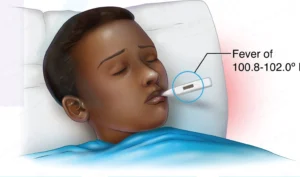
- Fever
- Pain during swallowing
- Swollen tonsils
- White patches on the tonsils
- Tender neck glands
- Absence of cough (often suggests bacterial infection)
Any child with these symptoms should be evaluated promptly.
Step 2: Medical Evaluation
Healthcare workers should: Take patient history, Examine the throat, Assess fever, Check swollen lymph nodes, Differentiate viral from bacterial infections, Where available: Rapid Strep Test, Throat culture may be used.
Step 3: Appropriate Antibiotic Treatment
The World Health Organization recommends antibiotic treatment for confirmed or highly suspected streptococcal pharyngitis. Preferred treatment: Single intramuscular injection of Benzathine Benzylpenicillin G. Alternative: Oral Penicillin V for 10 days. For penicillin allergy: Azithromycin, Erythromycin, Other recommended antibiotics. Patients should complete the full treatment course.
3. Secondary Prevention
The objective of this prevention to prevent recurrent Acute Rheumatic Fever and further heart valve damage. Once a patient develops Acute Rheumatic Fever, repeated streptococcal infections dramatically increase the risk of worsening heart damage.
Secondary prevention involves long-term antibiotic prophylaxis.
Benzathine Penicillin Prophylaxis
Patients receive: Benzathine Benzylpenicillin G every 3–4 weeks
Duration depends on: Age, Valve involvement, Previous attacks and National guidelines. Many patients require treatment for: 10 years, Until age 21, Sometimes until age 40 or Occasionally lifelong.
Patient Registry:
Health facilities should maintain RHD registries including:
- Patient name
- Age
- Diagnosis
- Injection schedule
- Missed doses
- Follow-up appointments
Electronic reminder systems improve adherence.
4. Tertiary Prevention
The objective of this prevention stage is to reduce disability and improve quality of life among patients with established RHD.
Includes:
- Regular cardiology follow-up
- Echocardiography
- Heart failure management
- Valve surgery
- Valve replacement
- Pregnancy counseling
- Endocarditis prevention
Report this post
Select a reason. You may optionally add more details.