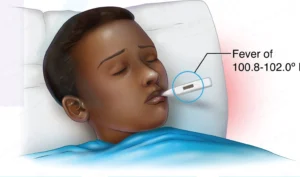

Sore throat (pharyngitis or tonsillitis) is one of the most common illnesses affecting children and adolescents worldwide. While most cases are caused by viruses and resolve without antibiotics, a significant proportion are caused by Group A Streptococcus (GAS), also known as Streptococcus pyogenes. Untreated GAS throat infection can lead to serious complications, including Acute Rheumatic Fever (ARF), which may subsequently progress to Rheumatic Heart Disease (RHD).
Rheumatic Heart Disease remains one of the leading causes of cardiovascular morbidity and mortality among children and young adults in low- and middle-income countries, particularly in sub-Saharan Africa. Ethiopia is among the countries with a high burden of RHD.
One of the most effective interventions to prevent RHD is the timely treatment of confirmed or highly suspected GAS tonsillitis using Benzathine Penicillin G (BPG). However, misconceptions surrounding BPG often result in delayed treatment, poor adherence, and unnecessary fear among patients, families, and even healthcare workers.
What is Benzathine Penicillin G?
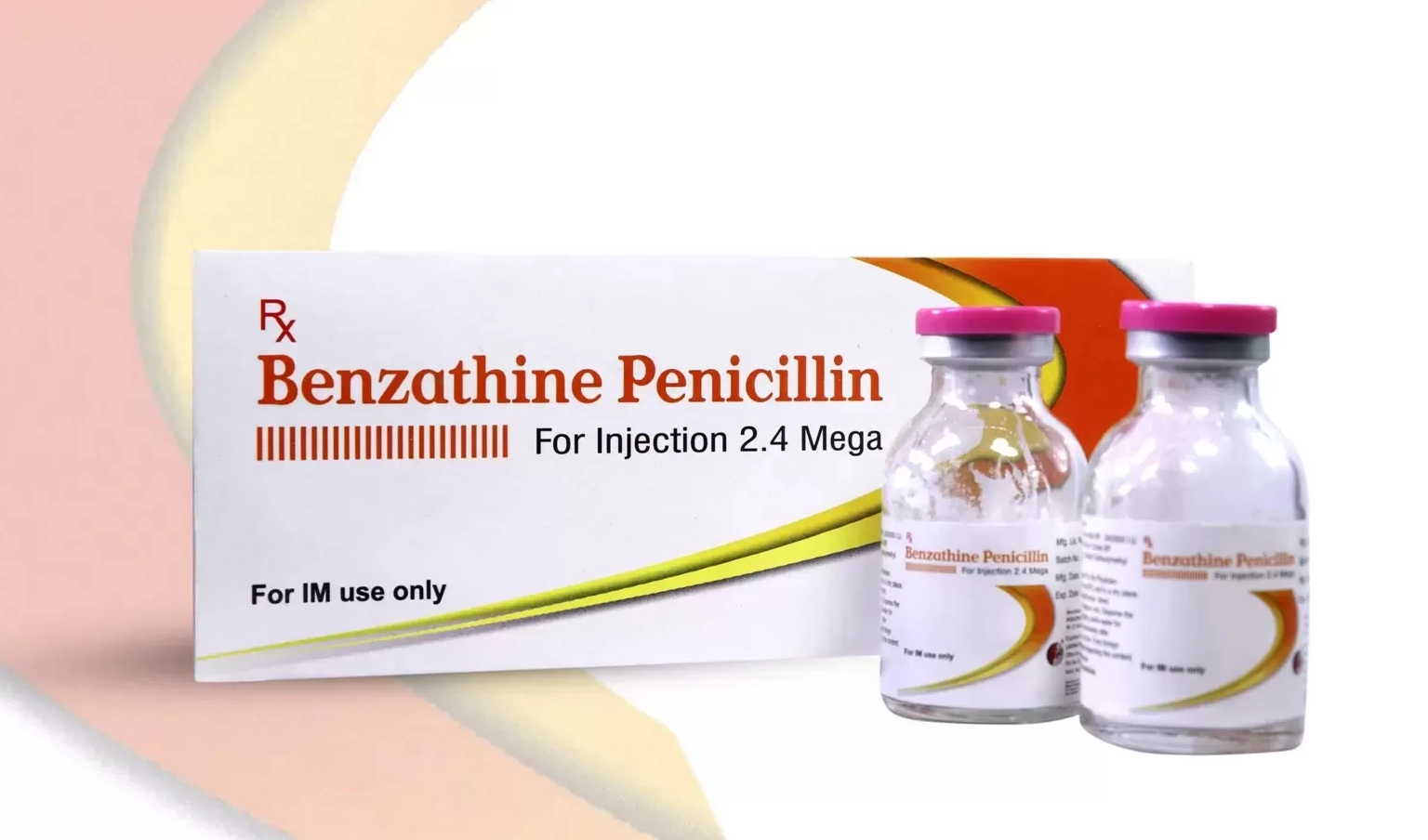
Benzathine Penicillin G (BPG) is a long-acting injectable antibiotic that slowly releases penicillin into the bloodstream over approximately 2–4 weeks.
Unlike oral antibiotics, BPG provides prolonged bactericidal concentrations after a single intramuscular injection, making it particularly valuable in settings where treatment adherence is challenging.
Why Benzathine Penicillin is Used
The goals of treatment are to:
Among these, preventing Acute Rheumatic Fever is the primary public health reason for treating streptococcal sore throat.
How Benzathine Penicillin Prevents Rheumatic Heart Disease
BPG eliminates Group A Streptococcus before the immune system develops the autoimmune response responsible for ARF. Studies have consistently shown that treatment initiated within 9 days of symptom onset effectively prevents almost all first episodes of Acute Rheumatic Fever. The antibiotic itself does not prevent heart disease directly. Instead, it removes the bacteria that trigger the abnormal immune response.
Injectable versus Oral Penicillin
| Feature | Benzathine Penicillin | Oral Penicillin |
|---|---|---|
| Duration | 2–4 weeks | 10 days |
| Compliance | Excellent | Often poor |
| Doses | One | Multiple daily doses |
| Prevention of ARF | Excellent | Excellent if completed |
| Missed doses | None | Common |
Treatment should begin within 9 days after symptom onset to effectively prevent Acute Rheumatic Fever. Even if symptoms have started improving, appropriate treatment within this window remains beneficial.
Safety of Benzathine Penicillin
BPG has been used safely worldwide for more than 70 years. Common side effects include: Injection-site pain, Mild swelling and Temporary redness.
Healthcare providers should always assess for a history of severe penicillin allergy before administration and be prepared to manage anaphylaxis.
Common Misconceptions About Benzathine Penicillin
Misconception 1: "The injection causes death."
Reality:
Benzathine Penicillin itself is not inherently dangerous. Fatal outcomes are extremely rare and are almost always related to severe allergic (anaphylactic) reactions in susceptible individuals, not to toxicity of the medication. With appropriate screening and emergency preparedness, BPG is considered very safe.
Misconception 2: "Everyone with a sore throat needs Benzathine Penicillin."
Reality:
Most sore throats are viral and do not require antibiotics. BPG should be used only when GAS infection is confirmed or strongly suspected based on clinical assessment.
Misconception 3: "Oral antibiotics work better."
Reality:
A full 10-day course of oral penicillin or amoxicillin is highly effective if taken correctly. However, because many patients do not complete the full course, a single BPG injection often provides better real-world effectiveness.
Misconception 4: "The injection is too painful to use."
Reality:
The injection can be painful because it is given intramuscularly and the medication is viscous. Proper administration techniques, such as allowing the medication to reach room temperature and injecting slowly into the recommended muscle, can reduce discomfort. The temporary pain is outweighed by the long-term benefit of preventing ARF and RHD.
Misconception 5: "One injection protects me forever."
Reality:
A single injection treats one episode of streptococcal infection. It does not provide lifelong immunity. New infections can occur, and patients with a history of ARF or RHD require repeated injections as part of secondary prevention.
Misconception 6: "If the sore throat is gone, treatment is unnecessary."
Reality:
Symptoms may improve before the bacteria are fully eliminated. Treatment within the recommended timeframe can still prevent the immune-mediated complications that lead to ARF.
Misconception 7: "Benzathine Penicillin cures Rheumatic Heart Disease
Reality:
BPG cannot reverse established valve damage. Its role is to prevent the first episode of ARF (primary prevention) or to prevent recurrent GAS infections and additional heart damage in patients with ARF or RHD (secondary prevention).
Public Health Importance
Primary prevention of RHD through timely diagnosis and treatment of GAS tonsillitis is among the most cost-effective strategies for reducing the global burden of RHD. Public health programs should focus on:
Report this post
Select a reason. You may optionally add more details.