
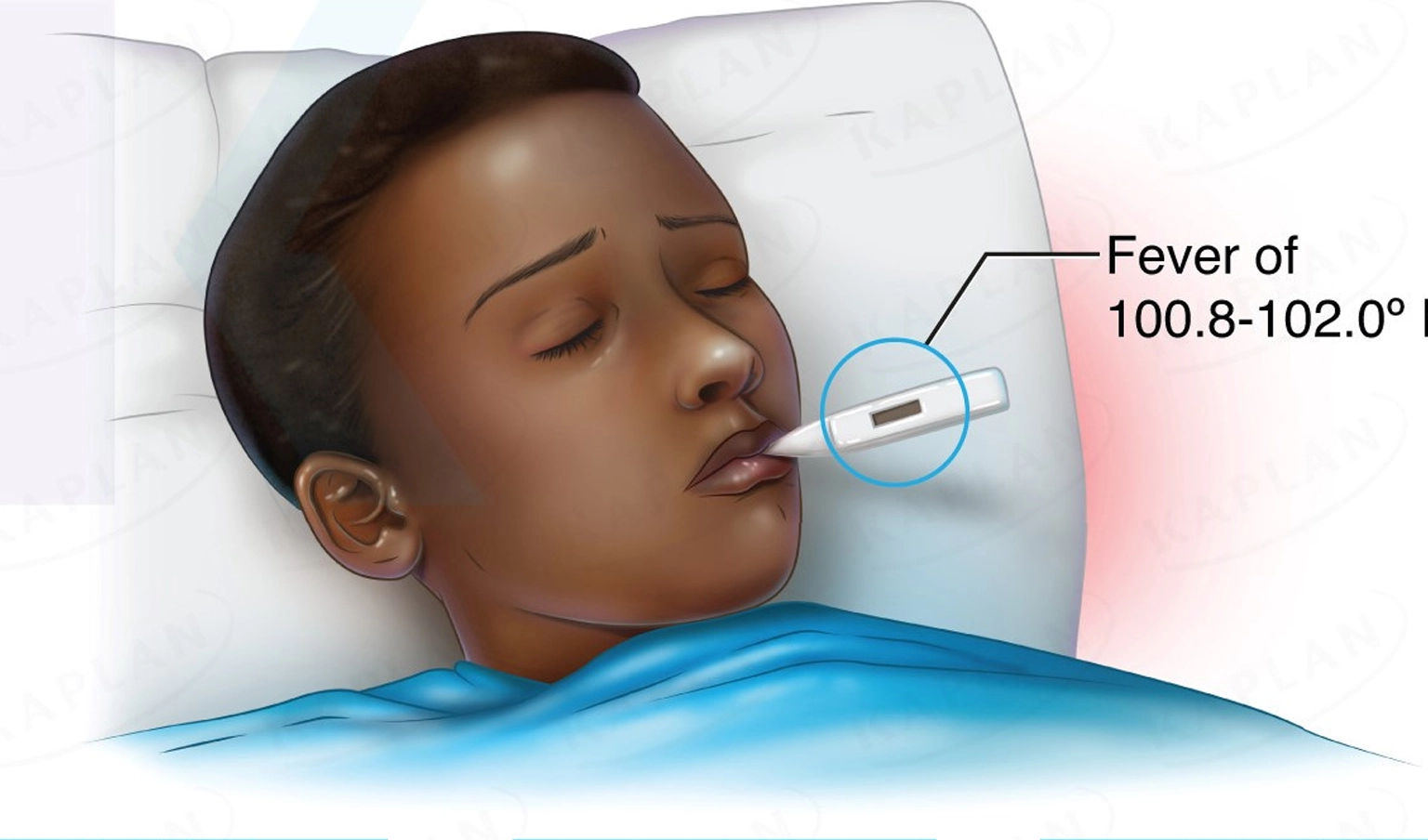

Rheumatic fever (RF) is an inflammatory disease that can develop after an infection caused by Group A Streptococcus (GAS), particularly a streptococcal throat infection. It most commonly affects children and adolescents and can involve the heart, joints, brain, and skin.
Although rheumatic fever itself can resolve, repeated episodes can cause permanent damage to the heart valves. This damage can lead to rheumatic heart disease (RHD), a serious condition that may cause lifelong disability, heart failure, and premature death. The good news is that rheumatic fever and rheumatic heart disease are largely preventable through timely recognition and appropriate treatment of streptococcal infections and effective prevention of recurrent attacks.
What Causes Rheumatic Fever?
Rheumatic fever is an abnormal immune response that can occur after infection with Streptococcus pyogenes, commonly known as Group A Streptococcus.
After a streptococcal infection, the body's immune system normally works to eliminate the bacteria. In some people, however, the immune response can mistakenly attack the body's own tissues. This inflammation may affect several parts of the body, including the heart, joints, brain, and skin.
Rheumatic fever usually develops one to five weeks after a streptococcal infection. The initial infection may have been a sore throat, pharyngitis, or, in some circumstances, a streptococcal skin infection.
Who Is Most at Risk?
Rheumatic fever primarily affects children and adolescents, with the first episode commonly occurring between the ages of 5 and 14 years. It is particularly common in communities where access to healthcare is limited and where overcrowded living conditions and poverty increase the risk of transmission and delayed treatment.
The disease remains an important public health concern in many low- and middle-income countries, including countries in sub-Saharan Africa.
Signs and Symptoms of Rheumatic Fever
Rheumatic fever can present differently from one person to another. Common symptoms include:
The joints most commonly affected include the knees, ankles, elbows, and wrists. Heart involvement, known as carditis, is particularly important because it can result in permanent valve damage.
How Does Rheumatic Fever Lead to Rheumatic Heart Disease?
The most serious consequence of rheumatic fever is damage to the heart valves.
During an episode of rheumatic fever, inflammation can affect the heart valves. Repeated episodes can cause progressive scarring and deformity of the valves, interfering with their ability to open and close normally.Over time, this damage can develop into rheumatic heart disease.
Rheumatic heart disease may cause:
Once significant valve damage has occurred, treatment may require lifelong medication, specialized cardiac care, or heart valve repair or replacement.
Diagnosis
There is no single test that can independently diagnose rheumatic fever. Healthcare professionals use the patient's medical history, clinical examination, evidence of a previous streptococcal infection, and appropriate investigations.
The Jones criteria are recommended by the World Health Organization for diagnosing suspected rheumatic fever. Depending on the clinical situation, investigations may include:
Echocardiography is particularly important when heart involvement is suspected because it can help identify abnormalities of the heart valves.
Treatment of Rheumatic Fever
Treatment aims to eliminate the underlying streptococcal infection, reduce inflammation and symptoms, and prevent future episodes.
Antibiotics are used to treat the Group A Streptococcus infection. Appropriate treatment of streptococcal pharyngitis is an important part of preventing rheumatic fever. Healthcare professionals may also prescribe medicines to manage fever, inflammation, pain, or complications involving the heart.
Patients diagnosed with rheumatic fever require ongoing medical follow-up because another streptococcal infection can trigger another episode.
Prevention Is the Key
The most effective way to reduce rheumatic heart disease is to prevent rheumatic fever in the first place.
1. Recognize and Treat Sore Throat Early
Children and adolescents with symptoms of a suspected streptococcal throat infection should receive appropriate assessment at a health facility.
When Group A Streptococcus is confirmed—or when clinical treatment is indicated according to local guidelines—appropriate antibiotic treatment can prevent rheumatic fever.
2. Complete Prescribed Treatment
When antibiotics are prescribed, patients and caregivers should follow the healthcare professional's instructions and complete the recommended treatment.
Stopping treatment prematurely or failing to seek appropriate care can increase the risk of complications.
3. Prevent Recurrent Rheumatic Fever
People who have previously experienced rheumatic fever or who have rheumatic heart disease may require long-term antibiotic prophylaxis to prevent recurrent episodes.
Benzathine penicillin G administered by intramuscular injection every 3–4 weeks is an important strategy for secondary prevention in appropriate patients. The duration of prophylaxis depends on the individual's clinical condition and should be determined by a qualified healthcare professional.
4. Strengthen Community and School Awareness
Schools, parents, teachers, community health workers, and healthcare professionals all have an important role in preventing rheumatic fever.
Awareness can help communities recognize persistent or severe sore throat symptoms, seek medical care early, support children in completing treatment, and ensure that children diagnosed with rheumatic fever or rheumatic heart disease receive appropriate follow-up.
5. Improve Living Conditions and Access to Healthcare
Rheumatic fever is strongly associated with social and environmental conditions such as overcrowding, inadequate housing, limited access to clean water and sanitation, and barriers to healthcare.
Improving living conditions and ensuring timely access to quality healthcare are therefore important components of long-term prevention.
Why Early Action Matters
Rheumatic fever can begin with what appears to be an ordinary sore throat, but in some children it can lead to serious and permanent heart damage.
A sore throat should not always be ignored.
Early recognition, appropriate diagnosis, timely treatment, and continued follow-up can help prevent recurrent rheumatic fever and reduce the risk of rheumatic heart disease.
For children who have already experienced rheumatic fever or have been diagnosed with rheumatic heart disease, adherence to recommended preventive treatment and regular medical follow-up are essential.
A Preventable Disease
Rheumatic fever and rheumatic heart disease remain important public health challenges, particularly in communities where access to healthcare is limited. Yet the progression from streptococcal infection to rheumatic fever and eventually to permanent heart valve damage can often be prevented.
Prevention begins with awareness. Early treatment protects the heart. Continued care protects the future.
Parents, teachers, health workers, schools, and communities can all contribute to reducing the burden of rheumatic fever and rheumatic heart disease.
Report this post
Select a reason. You may optionally add more details.