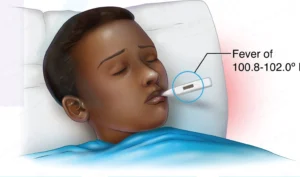
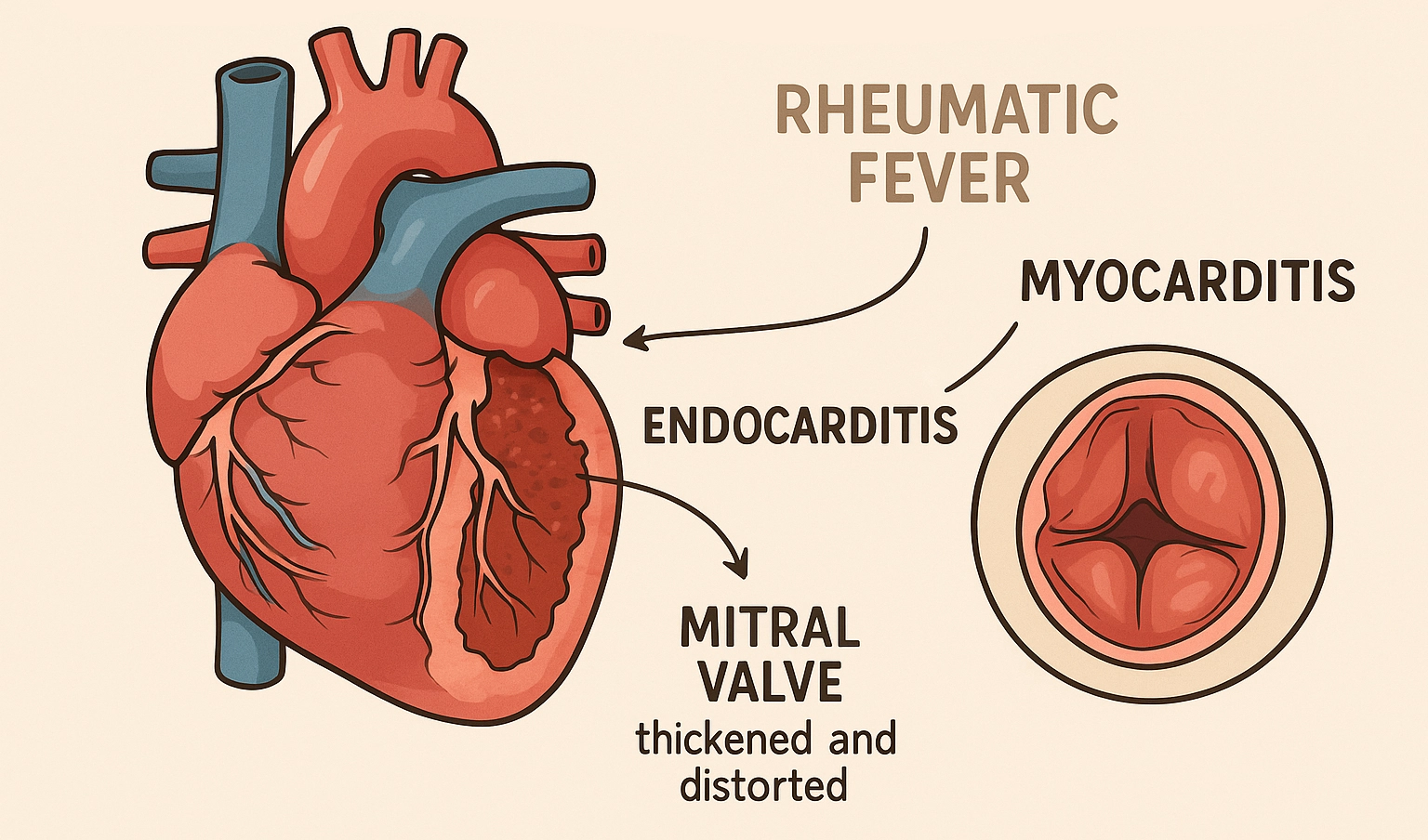

Rheumatic Heart Disease (RHD) is a chronic and potentially life-threatening heart condition caused by permanent damage to the heart valves following rheumatic fever, an inflammatory disease that develops after an untreated or inadequately treated Group A streptococcal (strep) throat infection. Although the infection begins in the throat, the body's immune system can mistakenly attack its own heart tissue, leading to inflammation and scarring of the heart valves. Over time, repeated episodes of rheumatic fever can worsen this damage, making it increasingly difficult for the heart to pump blood efficiently.
Unlike many other heart diseases that develop later in life due to lifestyle factors, rheumatic heart disease often begins in childhood or adolescence. The disease can silently progress for years before symptoms become noticeable, making early diagnosis and prevention especially important.
How Does Rheumatic Heart Disease Develop?
Rheumatic heart disease develops through a series of preventable events:
Symptoms of Rheumatic Heart Disease
Many people with rheumatic heart disease experience no symptoms during the early stages. As the disease progresses and heart valve damage becomes more severe, symptoms may include:
Because symptoms often develop gradually, many patients are diagnosed only after significant heart valve damage has already occurred.
Causes and Risk Factors
The primary cause of rheumatic heart disease is untreated or inadequately treated Group A streptococcal throat infection. The disease is not caused by the bacteria directly attacking the heart but by an abnormal immune response that mistakenly damages heart tissues.
Several factors increase the risk of developing rheumatic heart disease:
Children between 5 and 15 years of age are at the highest risk of developing acute rheumatic fever, although the long-term effects of rheumatic heart disease often continue into adulthood.
Global Burden of Rheumatic Heart Disease
Rheumatic heart disease remains one of the world's leading causes of cardiovascular disease among children and young adults in low- and middle-income countries. According to the World Health Organization (WHO) and the Global Burden of Disease Study:
Despite being almost entirely preventable, rheumatic heart disease continues to place enormous pressure on healthcare systems and families, particularly where access to early diagnosis and treatment is limited.
Rheumatic Heart Disease in Africa
Africa carries one of the highest burdens of rheumatic heart disease in the world. The disease is responsible for a significant proportion of heart disease among children, adolescents, and young adults.
Several factors contribute to its high prevalence across the continent:
In many African countries, rheumatic heart disease is the leading cause of acquired heart disease in children and young adults. Many patients are diagnosed only after severe valve damage has occurred, when expensive surgery may be the only treatment option.
Strengthening school health programs, improving access to antibiotics, expanding screening services, and increasing public awareness are critical steps toward reducing the burden of the disease across Africa.
Rheumatic Heart Disease in Ethiopia
Rheumatic heart disease remains a major public health challenge in Ethiopia and continues to affect thousands of children, adolescents, and young adults every year. It is among the leading causes of acquired heart disease in Ethiopian children and accounts for a large proportion of heart-related hospital admissions among young people.Many patients in Ethiopia are diagnosed only after irreversible heart valve damage has occurred, often requiring lifelong medication or referral for heart valve surgery. Access to specialized cardiac services remains limited, making prevention and early detection essential.
National efforts involving healthcare professionals, government institutions, universities, non-governmental organizations, and international partners are helping improve awareness, screening, early diagnosis, and access to preventive care. Continued investment in these programs is essential to reduce the long-term impact of rheumatic heart disease in the country.
Report this post
Select a reason. You may optionally add more details.