
Empowering Students Through Health Education
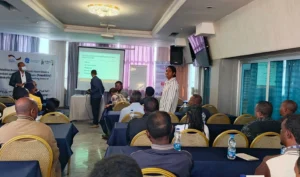
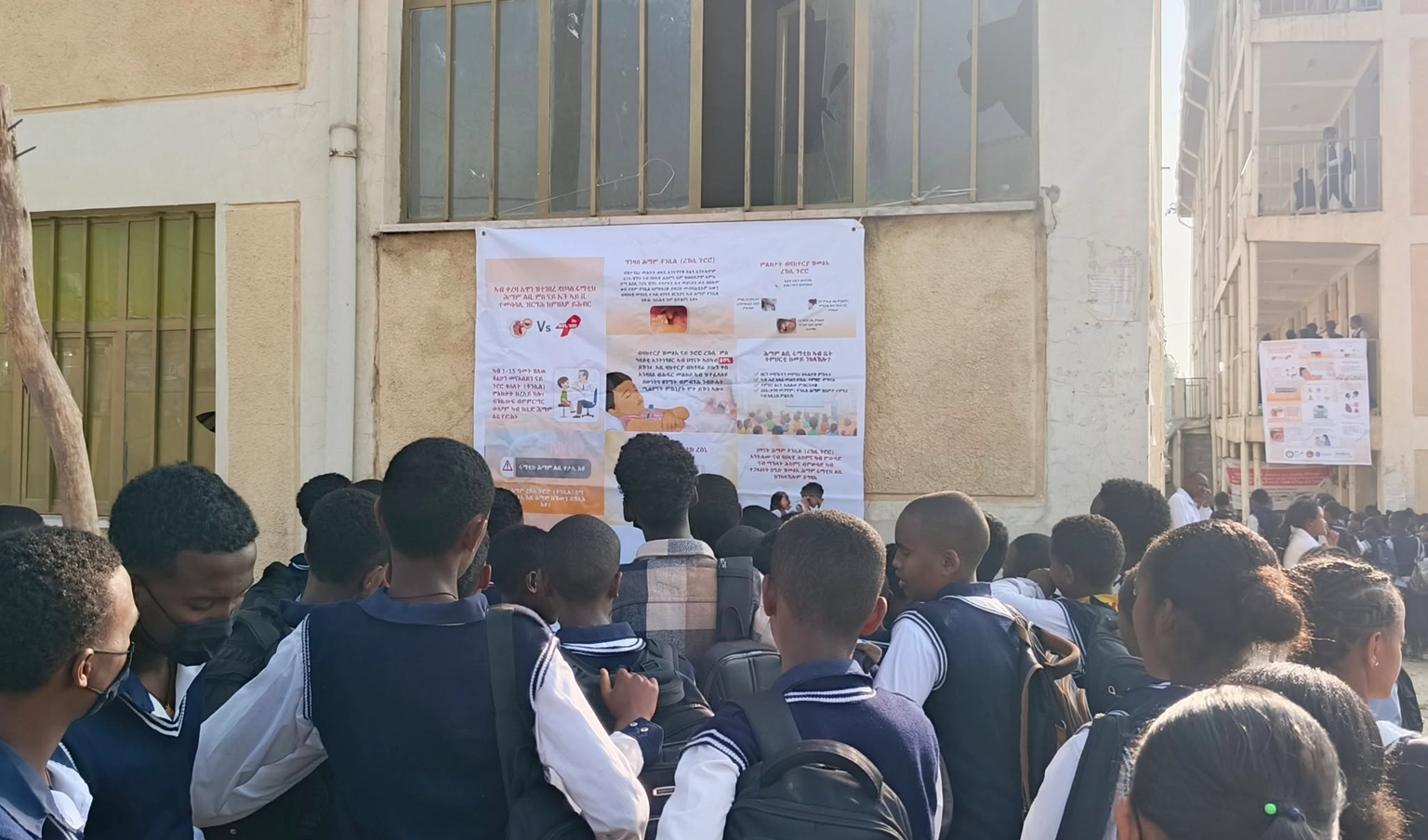
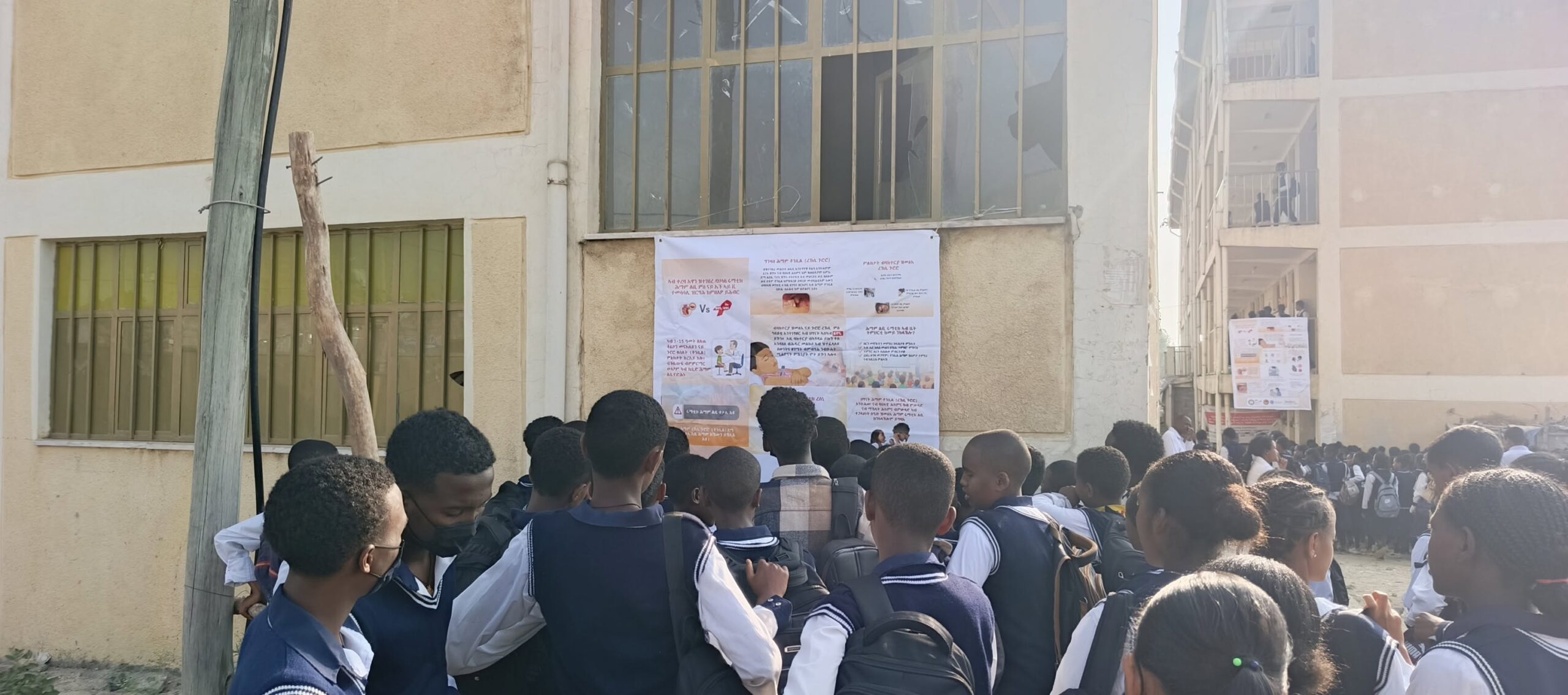
On February 26, 2026, the Rheumatic Heart Disease (RHD) Prevention and Control Program (PrevRHD) conducted a comprehensive health education and awareness session for students at Momona School in Mekelle. The session was organized as part of the program's ongoing efforts to reduce the burden of rheumatic fever and rheumatic heart disease by promoting early awareness among school-aged children, who are among the groups most at risk.
The awareness campaign aimed to equip students with the knowledge needed to recognize the early signs of throat infections, understand the serious consequences of untreated illness, and encourage timely medical care. By educating students at an early age, the program seeks to foster healthy behaviors that can prevent a disease that is almost entirely avoidable with early diagnosis and appropriate treatment.






Understanding Rheumatic Heart Disease
During the session, the PrevRHD team explained that rheumatic heart disease is a preventable but potentially life-threatening condition that develops when a common bacterial throat infection, commonly known as tonsillitis or strep throat, is left untreated or inadequately treated.
Students learned that while many people consider a sore throat to be a minor illness, certain bacterial throat infections caused by Group A Streptococcus can lead to acute rheumatic fever if proper medical treatment is not received. Rheumatic fever is an inflammatory disease that can damage the heart valves, resulting in permanent heart disease known as rheumatic heart disease.
Using simple and age-appropriate explanations, the facilitators illustrated the progression of the disease:
Untreated streptococcal throat infection (tonsillitis) → Acute Rheumatic Fever → Rheumatic Heart Disease
The session emphasized that this progression can be interrupted through early diagnosis and timely antibiotic treatment, making rheumatic heart disease one of the world's most preventable heart conditions.
Recognizing the Importance of Early Treatment
Students were encouraged not to ignore persistent sore throat symptoms. The PrevRHD team explained that anyone experiencing a sore throat accompanied by fever, swollen tonsils, or difficulty swallowing should seek medical attention rather than relying solely on home remedies.
The facilitators stressed that:
- Early treatment of bacterial throat infections can completely prevent acute rheumatic fever.
- Prompt medical care protects the heart from permanent damage.
- Completing the full course of prescribed antibiotics is essential for successful treatment.
- Delaying treatment can lead to lifelong health complications.
Students were also encouraged to inform their parents, guardians, or teachers whenever they experience persistent throat pain or fever.
The High Cost of Rheumatic Heart Disease
One of the key messages delivered during the awareness session was the economic burden of rheumatic heart disease.
The PrevRHD team explained that preventing a simple throat infection is inexpensive compared to the enormous cost of treating advanced heart disease. Students learned that once heart valves become permanently damaged, patients may require:
- Regular hospital visits and medical follow-up.
- Long-term monthly Benzathine Penicillin injections to prevent recurrent rheumatic fever.
- Continuous medications to manage heart failure and related complications.
- Specialized cardiac investigations such as echocardiography.
- Referral to tertiary hospitals for advanced care.
- Expensive heart valve repair or replacement surgery, which is often unavailable locally and may require treatment outside the region or country.
Patient Testimonial
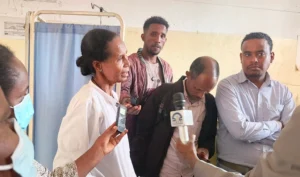
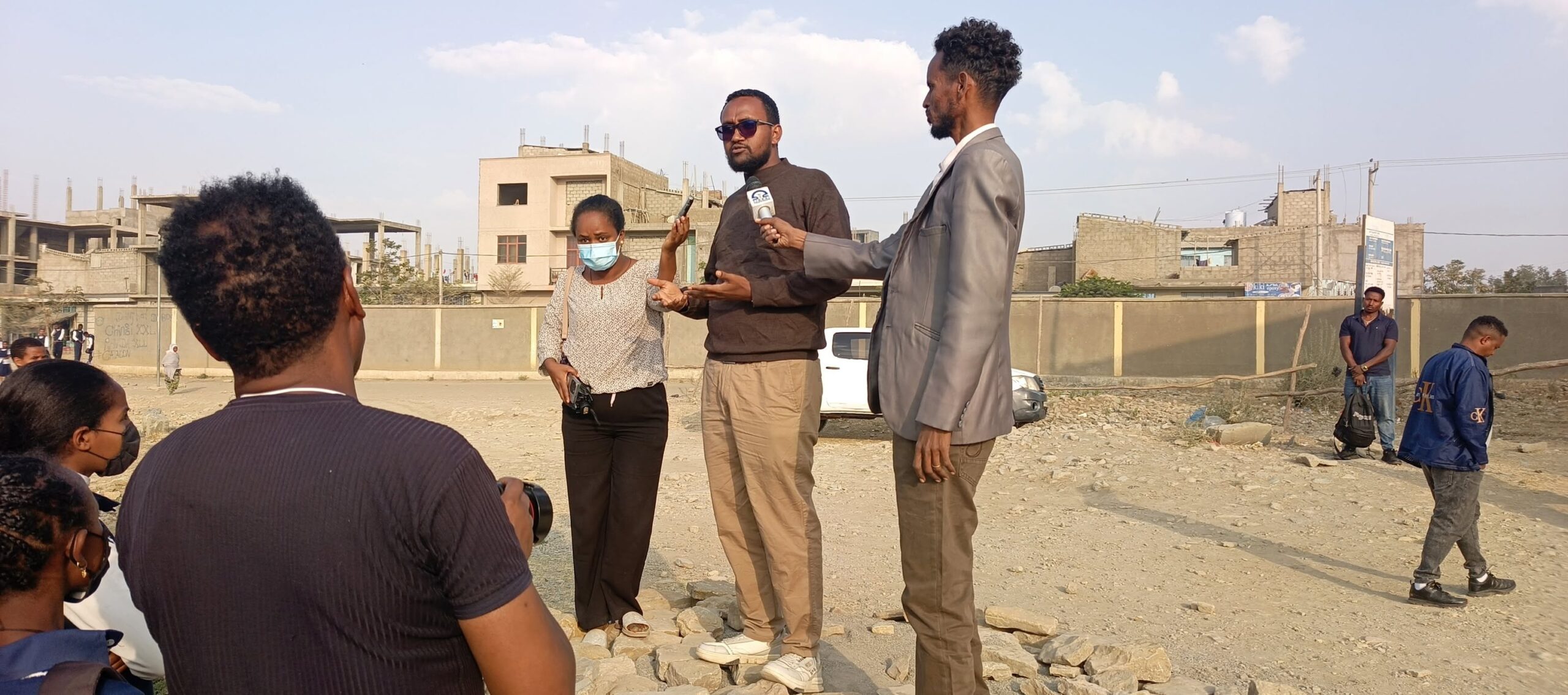
As part of the awareness session, students heard a powerful testimony from a rheumatic heart disease patiemt, who shared his personal journey to highlight the importance of early treatment. He explained that as a child, he frequently suffered from recurrent tonsillitis (sore throat) but did not receive timely and appropriate treatment. Over time, these repeated infections progressed to acute rheumatic fever and eventually caused rheumatic heart disease, permanently damaging his heart valves. He recounted the physical, emotional, and financial challenges he and his family faced, including the need for expensive heart valve surgery and lifelong medical follow-up. His story served as a moving reminder that a simple, treatable throat infection can lead to life-threatening complications if ignored, reinforcing the session's key message: early diagnosis and treatment save hearts and save lives.
School Director's Remarks
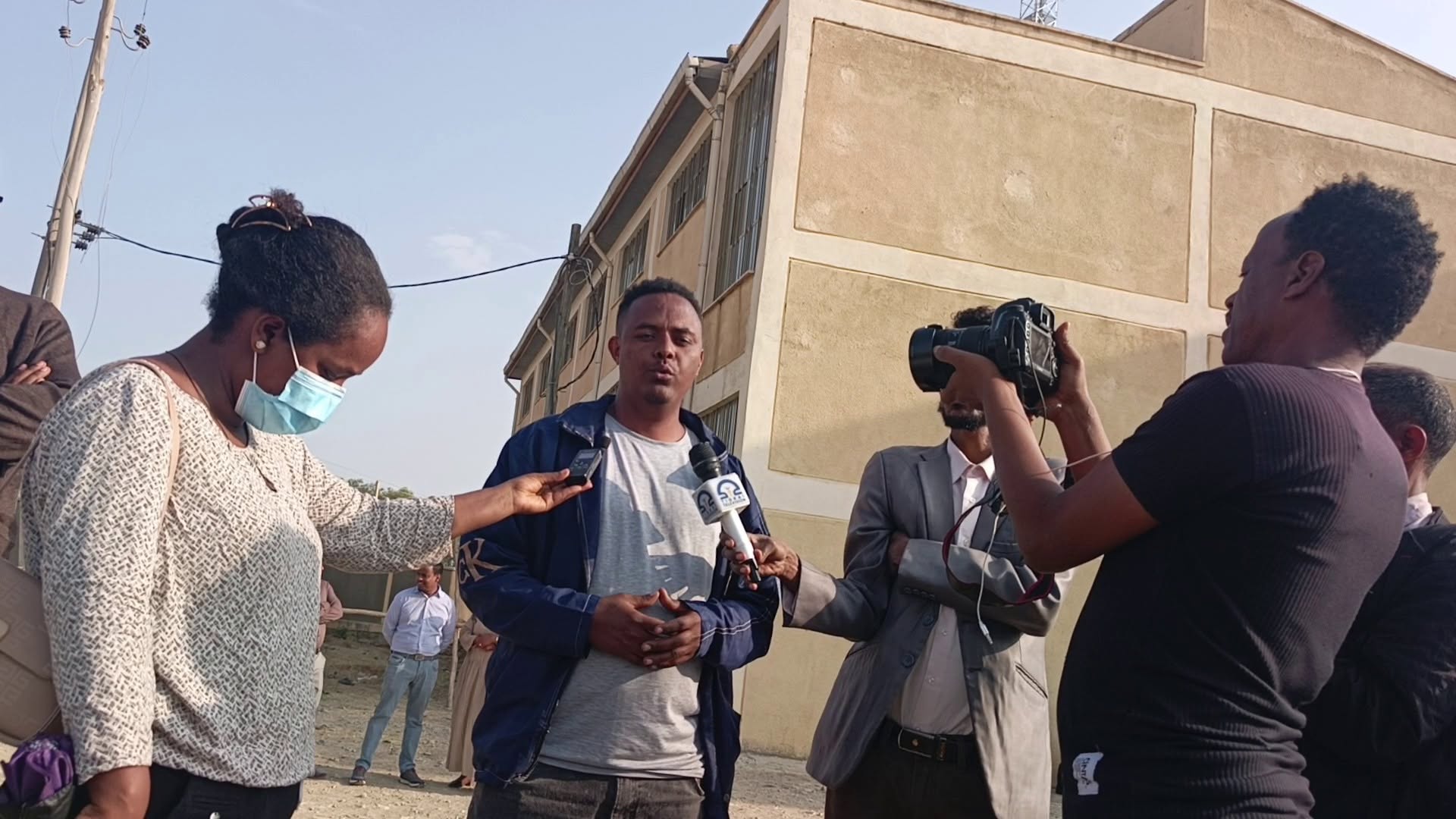
The Director of Momona School expressed sincere appreciation to the PrevRHD Program team for organizing the awareness session, emphasizing that such educational initiatives play a vital role in protecting the health and well-being of students. The Director noted that many children and families are unaware that an untreated sore throat can lead to acute rheumatic fever and eventually rheumatic heart disease. By providing students with accurate and practical health information, the program empowers them to recognize symptoms early, seek timely medical care, and share the knowledge with their families and communities. The Director further encouraged the continuation of similar school-based awareness programs, stating that they are essential for building a healthier generation and preventing a disease that is largely avoidable through early diagnosis and treatment.
Conclusion
The comprehensive awareness session at Momona School successfully increased students' understanding of rheumatic heart disease, its causes, prevention, and long-term consequences. By emphasizing the link between untreated tonsillitis, acute rheumatic fever, and permanent heart damage, the PrevRHD team delivered an important public health message that has the potential to save lives.
Through continued school-based education and community engagement, the PrevRHD Program remains committed to ensuring that children and young people understand that rheumatic heart disease is preventable, and that seeking early treatment for a simple sore throat can protect them from a lifetime of heart disease.
Report this post
Select a reason. You may optionally add more details.