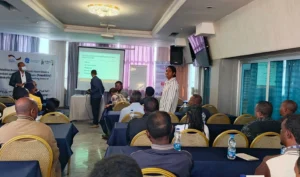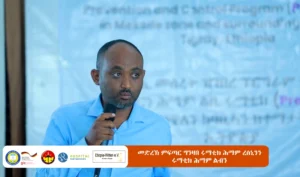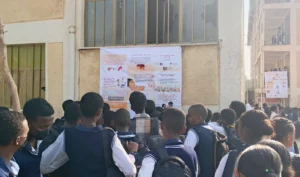
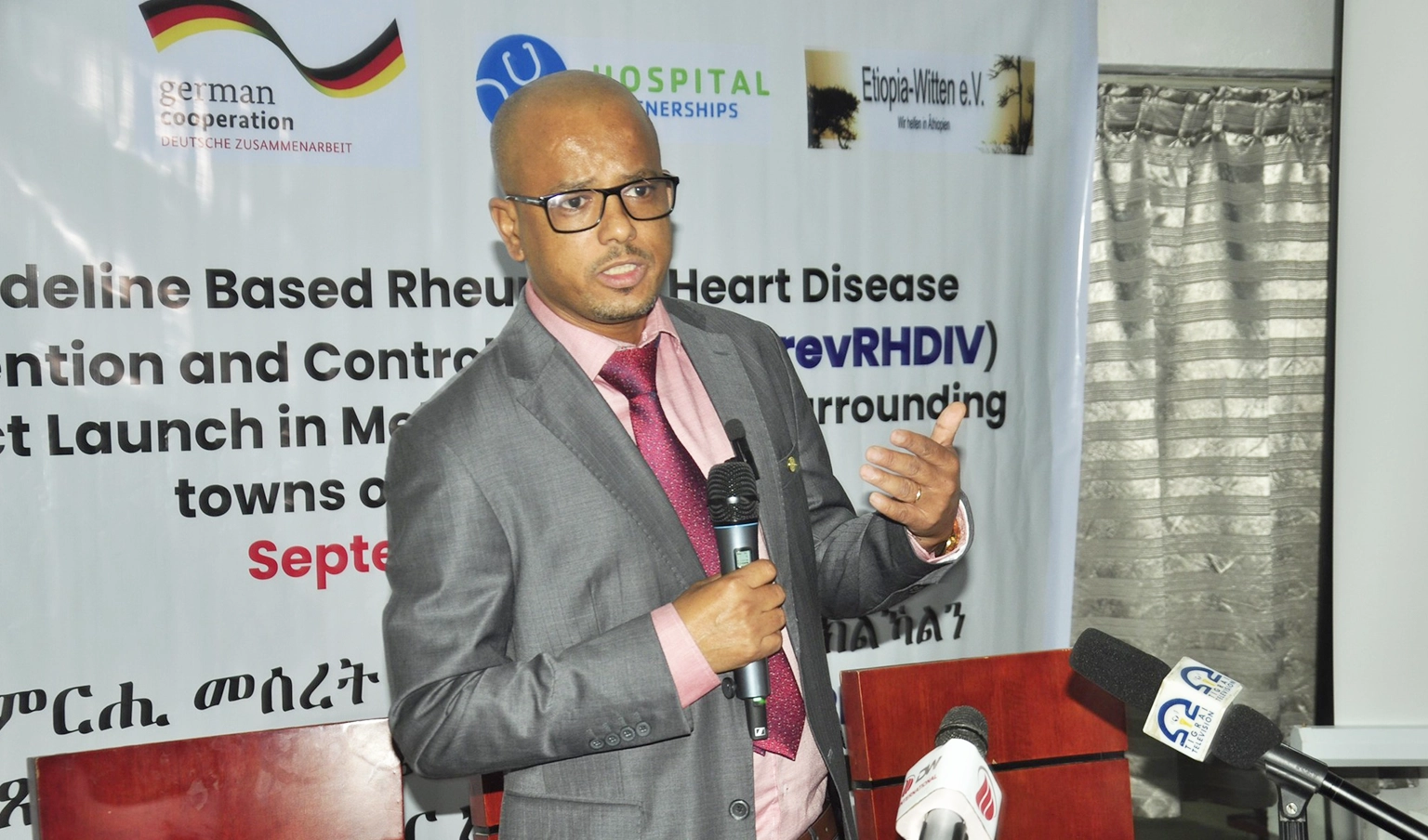

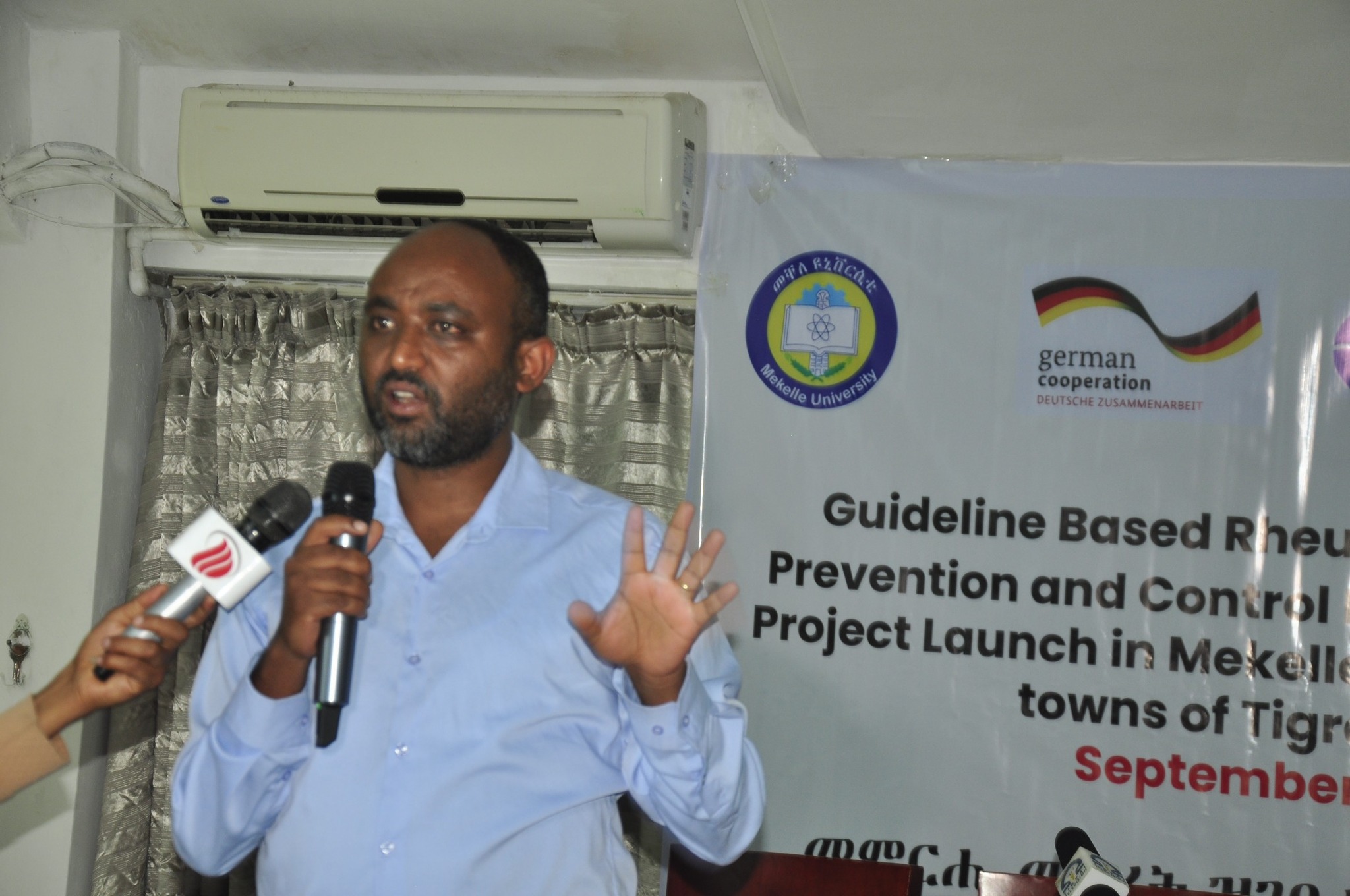
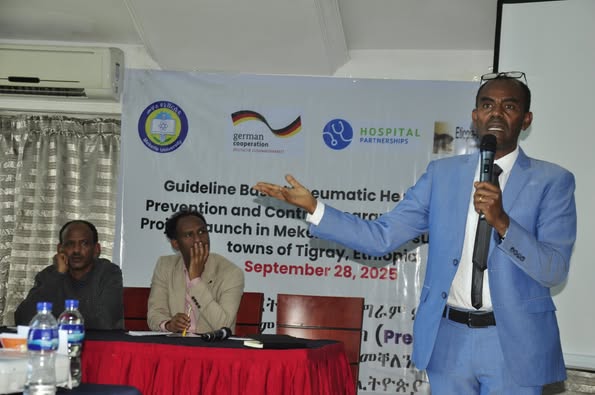
Mekelle, Ethiopia – September 28, 2025 — The Guideline Based Rheumatic Heart Disease Prevention and Control Program IV (PrevRHD IV) has been officially launched in the Tigray region, to be conducted in Mekelle zone and surrounding towns of Tigray, at Planet Hotel, Mekelle, Ethiopia.
This significant community intervention initiative, aimed at the primary and secondary prevention of tonsillitis, Acute Rheumatic Fever, and Rheumatic Heart Disease (ARF/RHD), has been ongoing since 2025, before being paused due to the COVID-19 pandemic and the war on Tigray. The general objective of the PrevRHD IV program is to reduce the burden of RHD through a comprehensive approach that includes awareness creation — teaching health professionals at all levels, patients living with rheumatic heart disease, school teachers and students, and the community at large.
Stakeholders and Program Partners
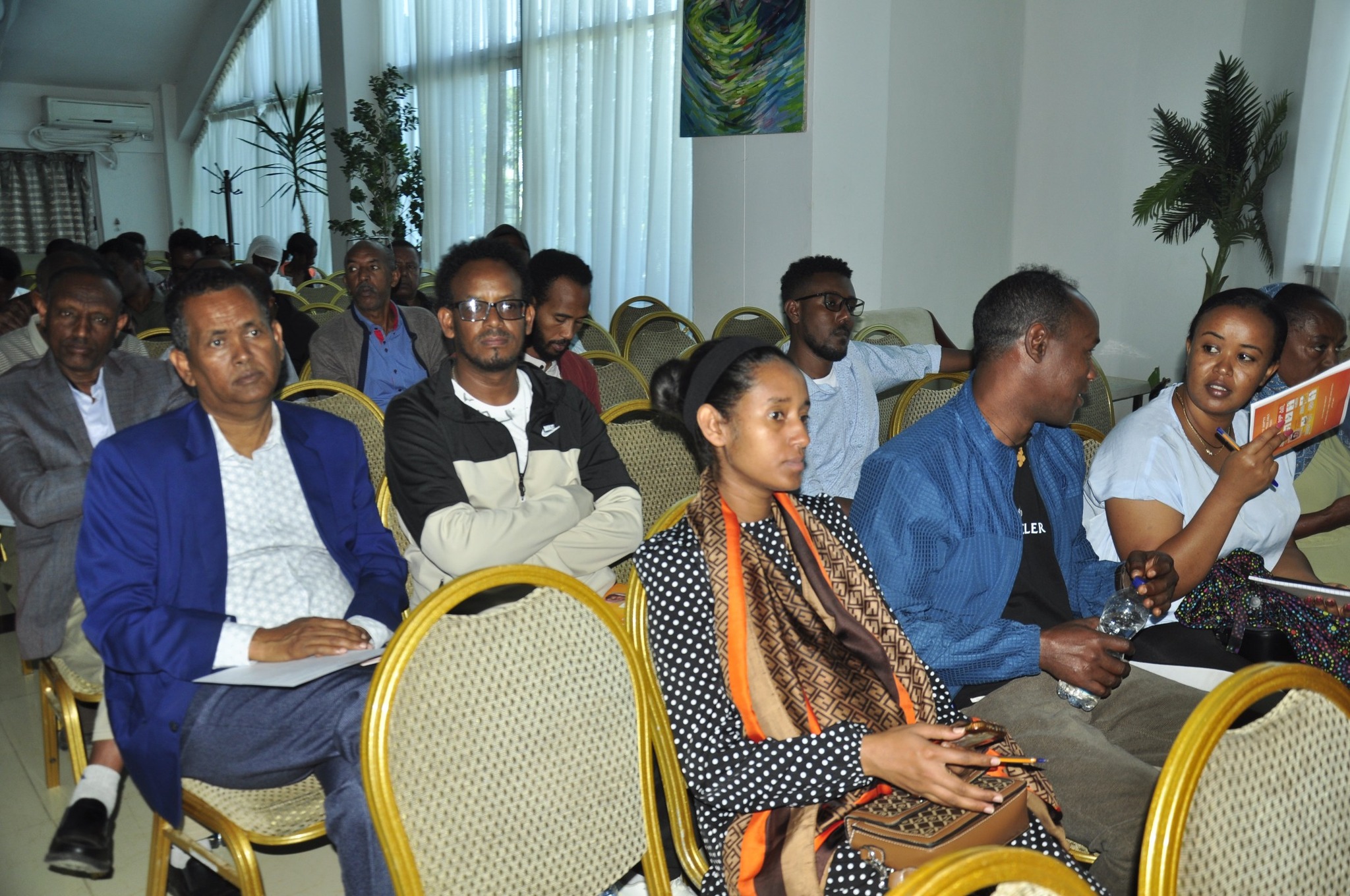
Today's event brought together the program's main stakeholders and owners, including:
- Tigray Regional Health Bureau (TRHB) leaders and healthcare professionals
- Tigray Regional Education Bureau (TREB) and teachers
- Tigray Heart Association (THA)
- Other stakeholders dedicated to addressing this critical public health challenge in Ethiopia
The launch commenced with registration conducted by the PrevRHD team, followed by an introduction of the schedule by Mr. Fikre Abraha, PrevRHD IV Coordinator. The event featured a series of presentations and discussions from healthcare professionals and representatives of key organizations.
Opening Remarks
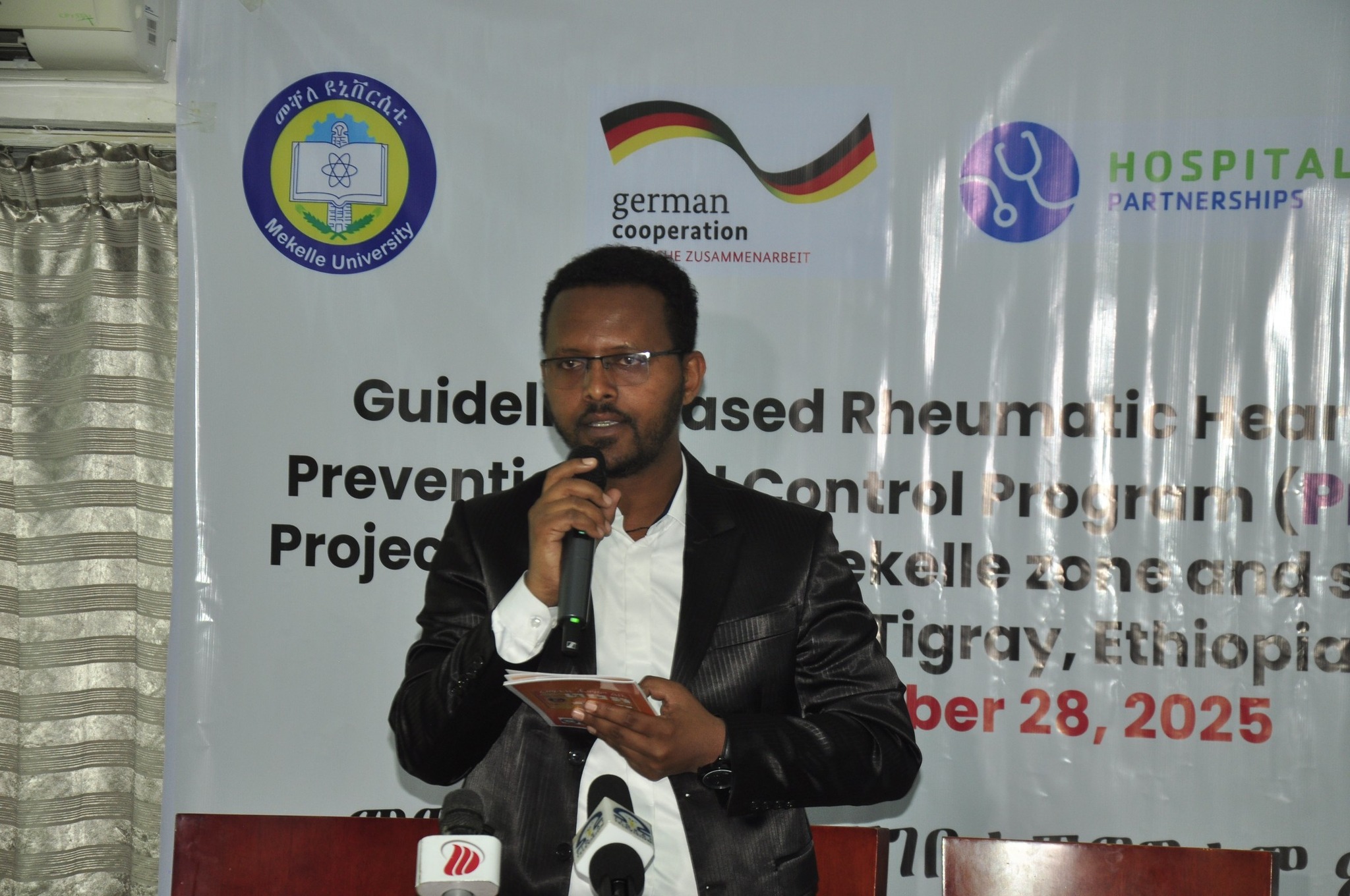
Dr. Abraha Hailu, Local Program Principal Investigator, welcomed all participants, with particular acknowledgment of representatives from the Tigray Regional Health Bureau, the Tigray Regional Education Bureau, and Mekelle University–College of Health Sciences. He expressed special gratitude to Etiopia Witten Organization / GIZ / Clinic Partnerschaften, and specifically thanked those from Etiopia Witten who have partnered closely on the PrevRHD program since 2025: Dr. G. Wehr, Dr. Ahmedin Idris, and Dr. Christian Leuner.
Dr. Abraha emphasized the importance of integrating prevention of tonsillitis and ARF/RHD into the elementary and high school curriculum, calling on the education sector to address this gap. He also stressed that all healthcare professionals must be well-versed in the prevention and management of RHD, urging TRHB to prioritize the availability and distribution of Benzathine Penicillin G — the most important drug in RHD prevention — and to introduce oral penicillin V as an alternative in line with WHO and national recommendations.
"We must work together to achieve our common goals." — Dr. Abraha Hailu
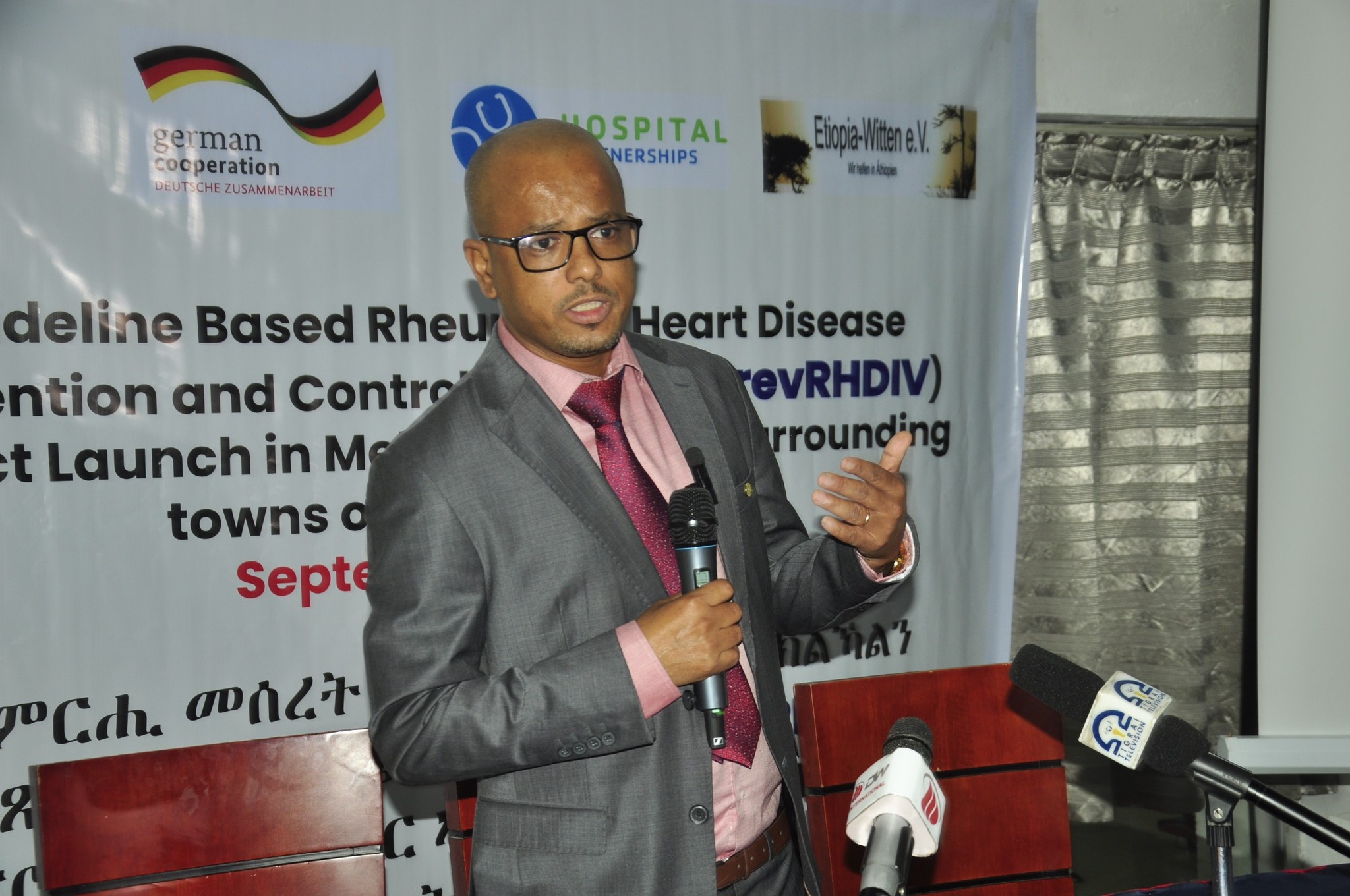
Dr. Tewodros Gobezay, TRHB representative and Head of Noncommunicable Diseases (NCDs), officially opened the program, speaking on the growing burden of NCDs nationally and regionally.
"Noncommunicable diseases are 80% preventable with the right strategies and community involvement. The PrevRHD program is a crucial step toward addressing these health challenges in Tigray and is 100% potentially preventable." — Dr. Tewodros Gobezay
He affirmed TRHB's commitment to working collaboratively with the PrevRHD team on effective prevention measures.
Dr. Abraha Gebregziabher, Chief Clinical Director of MU-CHS Ayder Comprehensive Specialized Hospital, thanked all invited guests and stakeholders for their support in making the program possible. He praised Dr. Abraha Hailu's RHD booklet written in Tigrigna:
"I read the booklet in Tigrigna, which is a remarkable writing that includes all about RHD, prevention, and control." — Dr. Abraha Gebregziabher
He underscored the importance of addressing ARF/RHD across all levels of prevention — primordial, primary, secondary, and tertiary — and reaffirmed MU-CHS's commitment to the initiative.
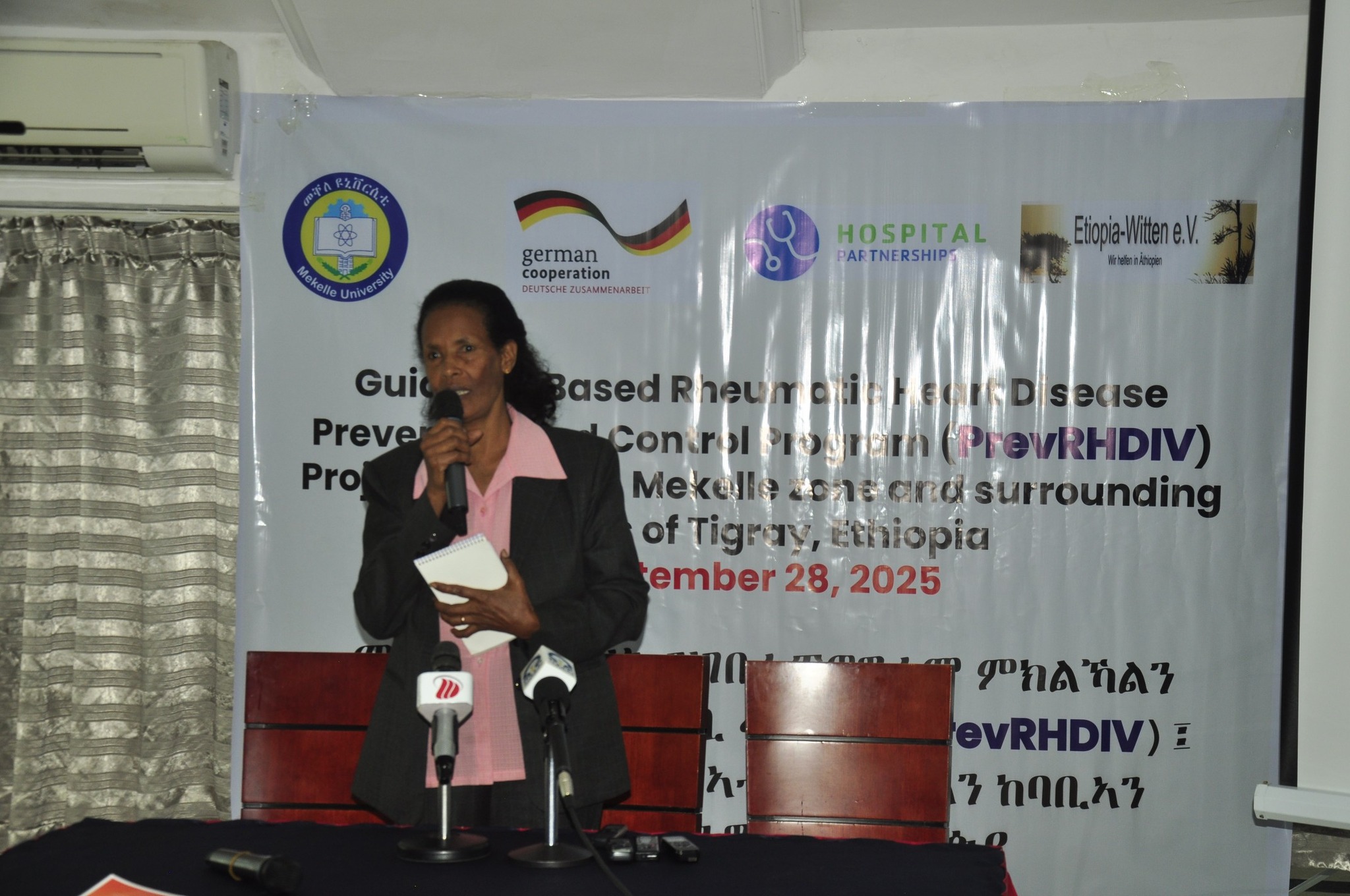
W/ro Silas Araya, representing TREB, highlighted the essential role of teachers in shaping community perceptions and behaviors around health.
"Teachers are the most influential persons to change the perceptions and behaviors regarding health issues among others." — W/ro Silas Araya
Technical Presentations
| Presentation | Presenter | Moderator |
|---|---|---|
| The Burden of Rheumatic Heart Disease: Current and Previous PrevRHD Programs | Dr. Abraha Hailu | Dr. Tesfay G. |
| Tonsillopharyngitis and Acute Rheumatic Fever | Dr. Alemseged B. | Dr. Hagazi T. |
| Tertiary Prevention of RHD: Complications and Management | Dr. Kibreab G. | Dr. Hagazi T. |
Dr. Abraha Hailu opened the technical sessions with an overview of RHD's impact on the community and a review of the successes and challenges of previous PrevRHD initiatives, calling for renewed efforts and innovative strategies.
Dr. Alemseged B. presented on tonsillopharyngitis and Acute Rheumatic Fever, covering epidemiology, symptoms, and treatment options, and stressing early diagnosis and treatment to reduce future RHD burden.
Following a tea break, Dr. Kibreab G. presented on the tertiary prevention of RHD, covering complications such as heart failure, atrial fibrillation, infective endocarditis, pregnancy-related RHD complications, and stroke. He emphasized the need for comprehensive management plans, the importance of establishing cardiac surgery capacity in the region, and the value of follow-up care and community support systems in improving patient outcomes.
Panel Discussion
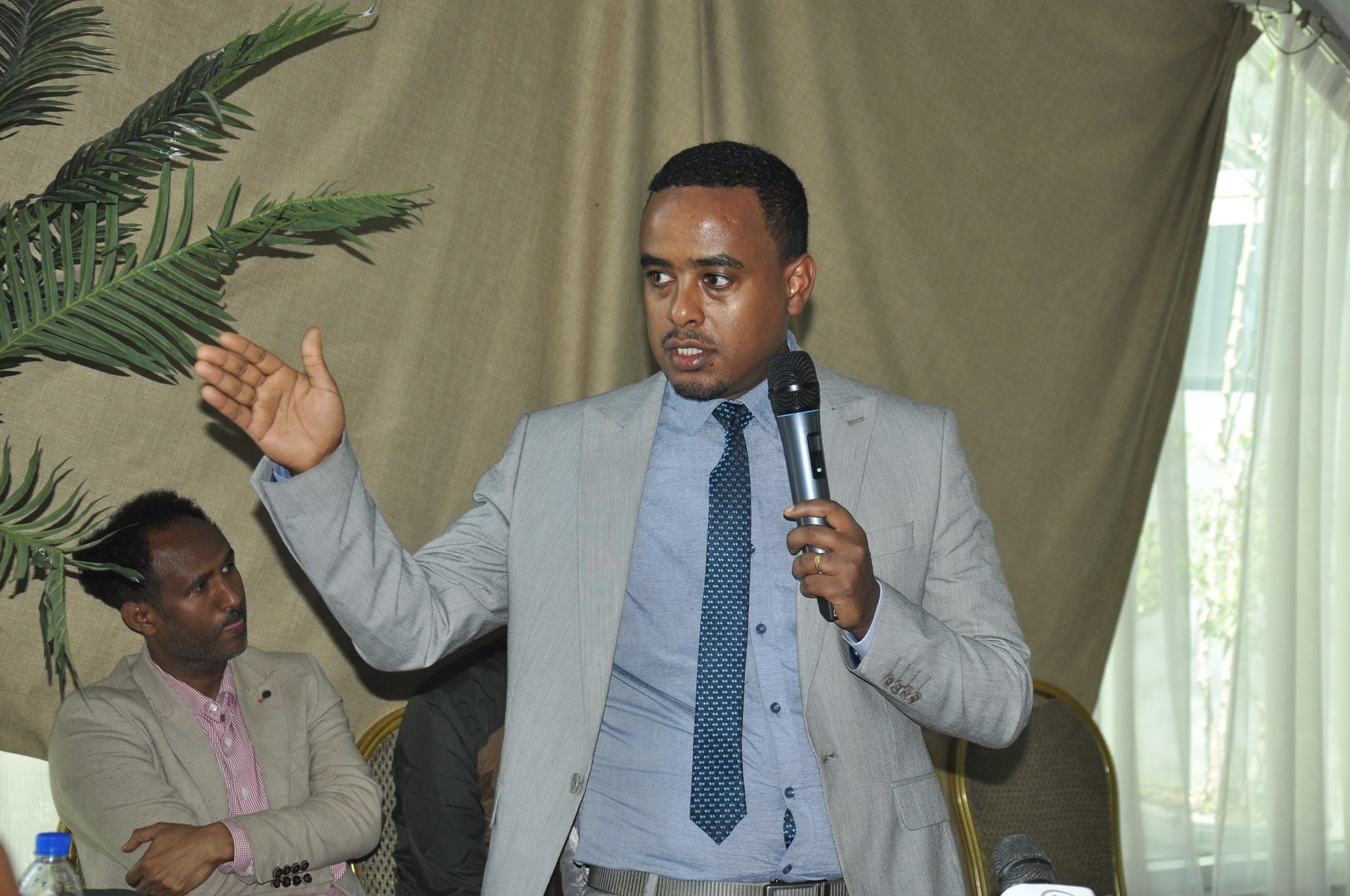
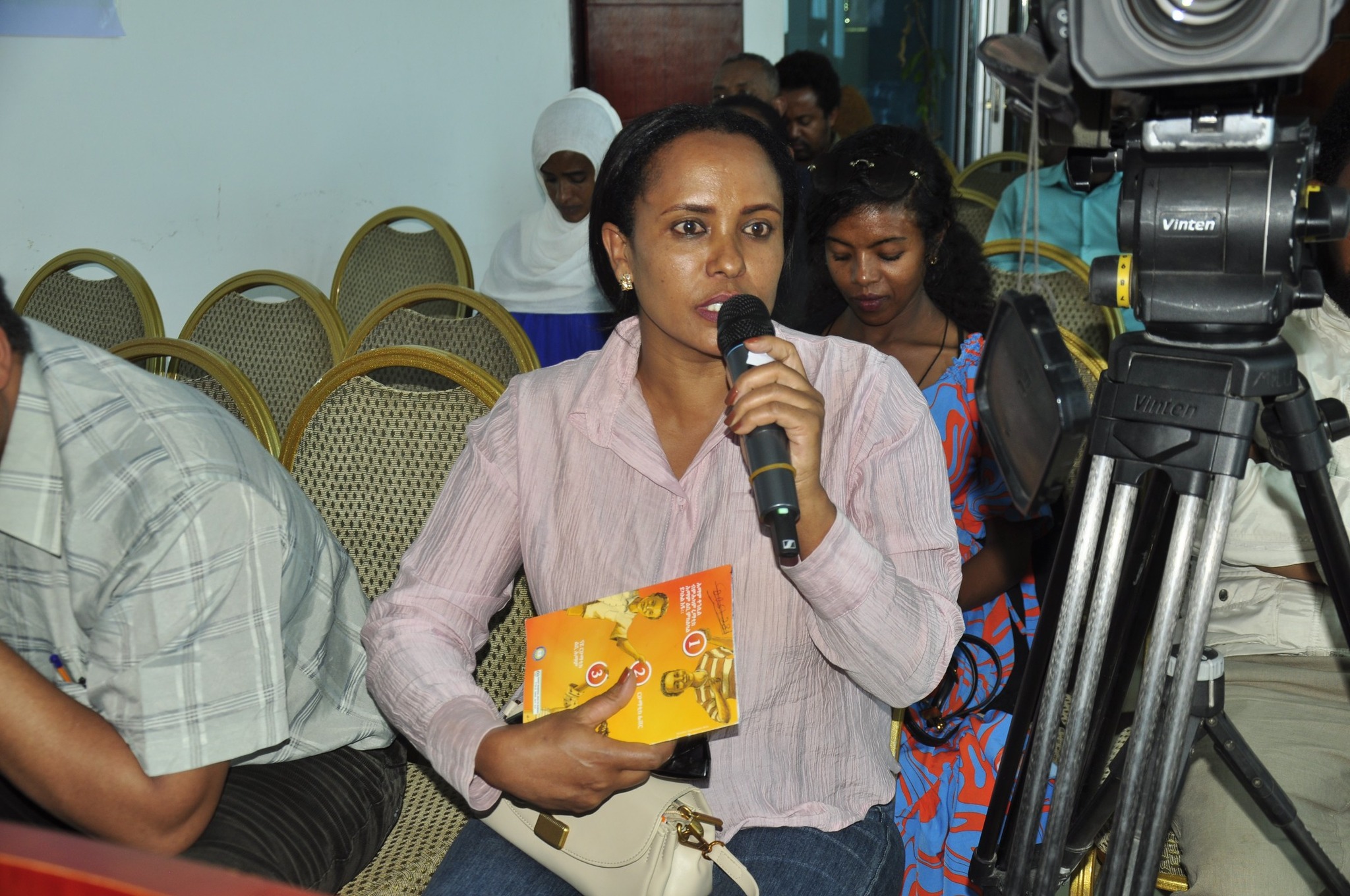
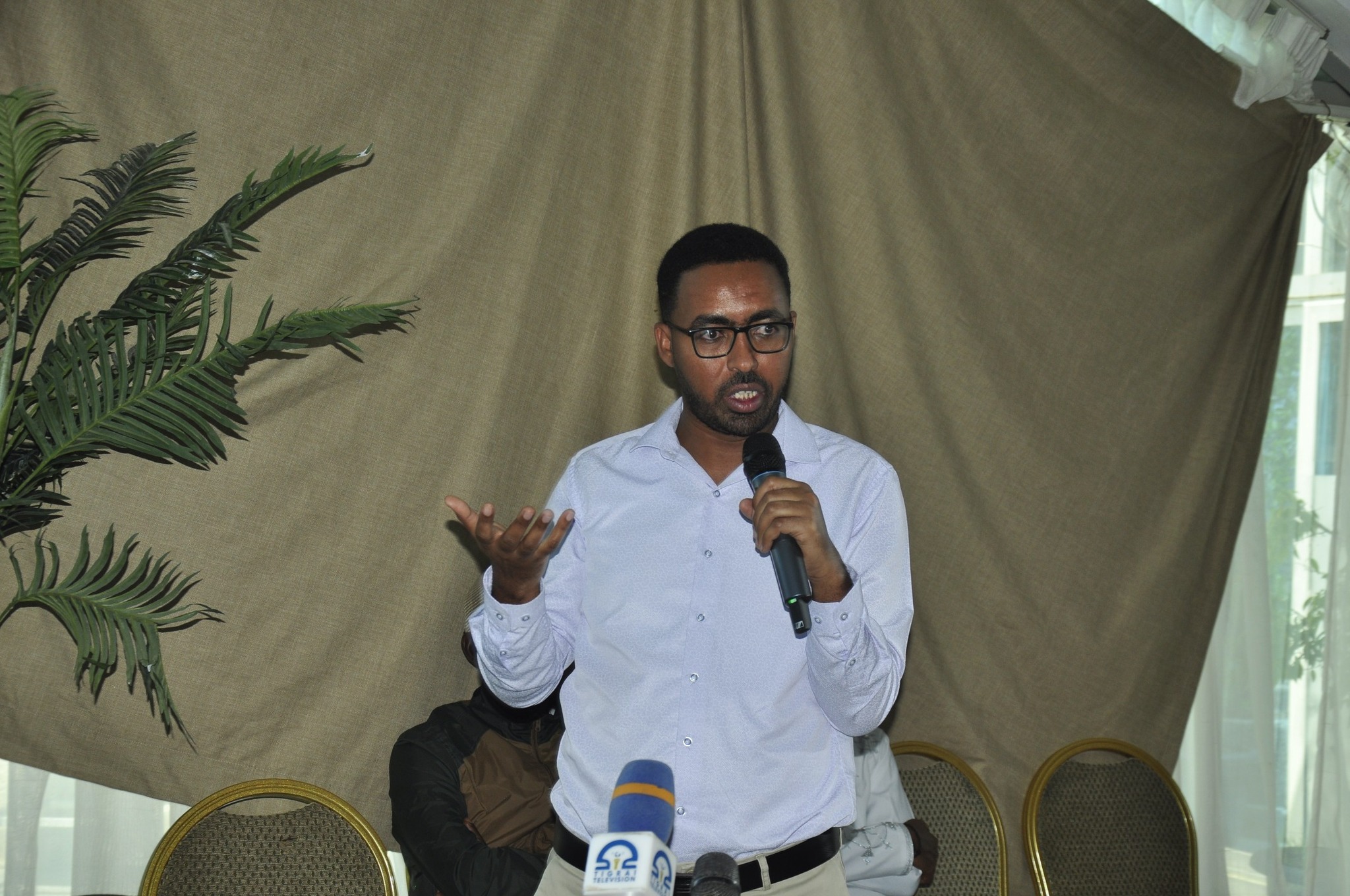
The program concluded with a panel discussion featuring Dr. Abraha H., Dr. Alemseged, Dr. Tedros H., Dr. Hagazi T., and Dr. Kibreab G., moderated by Dr. Tesfay G. The panel addressed audience questions and shared insights on collaborative efforts to combat RHD and improve healthcare delivery across Tigray.
Dr. Abraha H. responded to questions from the panel discussion, reaffirming the collective commitment of all stakeholders:
Closing
The event closed with remarks from a TRHB representative, who underscored the significance and impact of the PrevRHD program in preventing noncommunicable diseases. The program adjourned with a lunch break, offering further opportunity for networking and collaboration. Finally, the PrevRHD team collected contact information for future focal/contact persons across each stakeholder sector — health (primary hospitals, health centers) and education — to support program implementation going forward.
Report this post
Select a reason. You may optionally add more details.