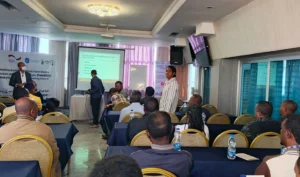
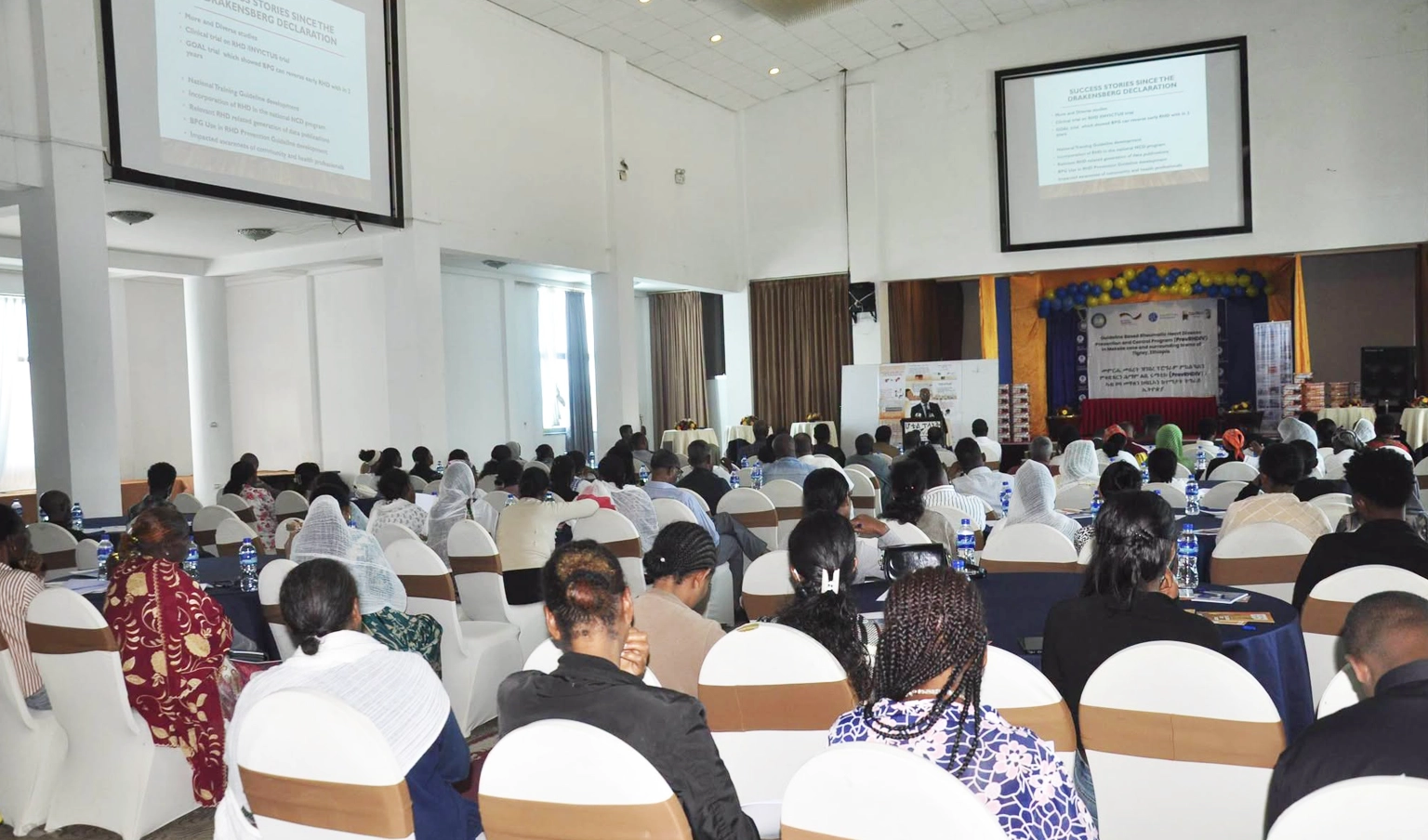

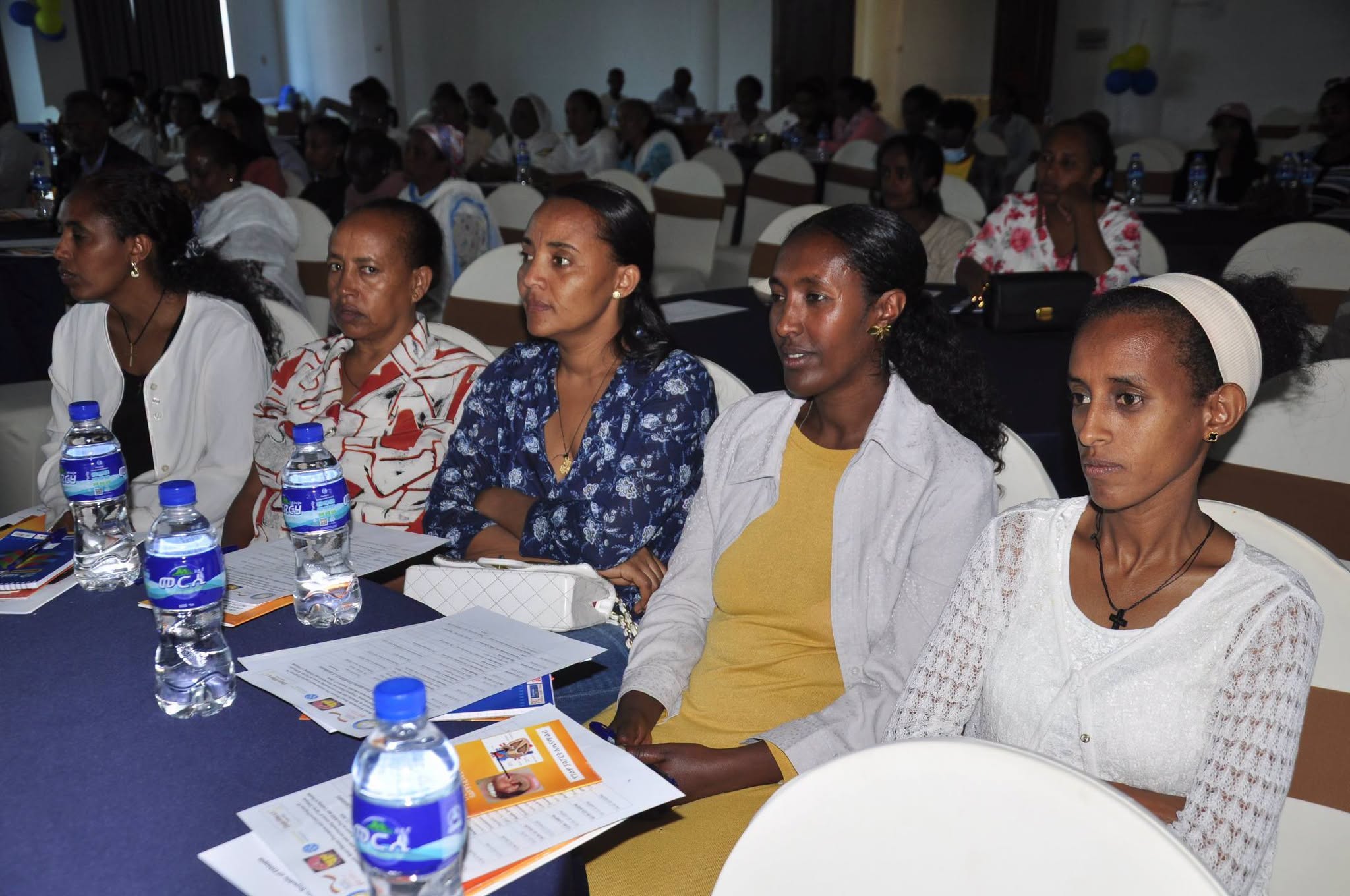
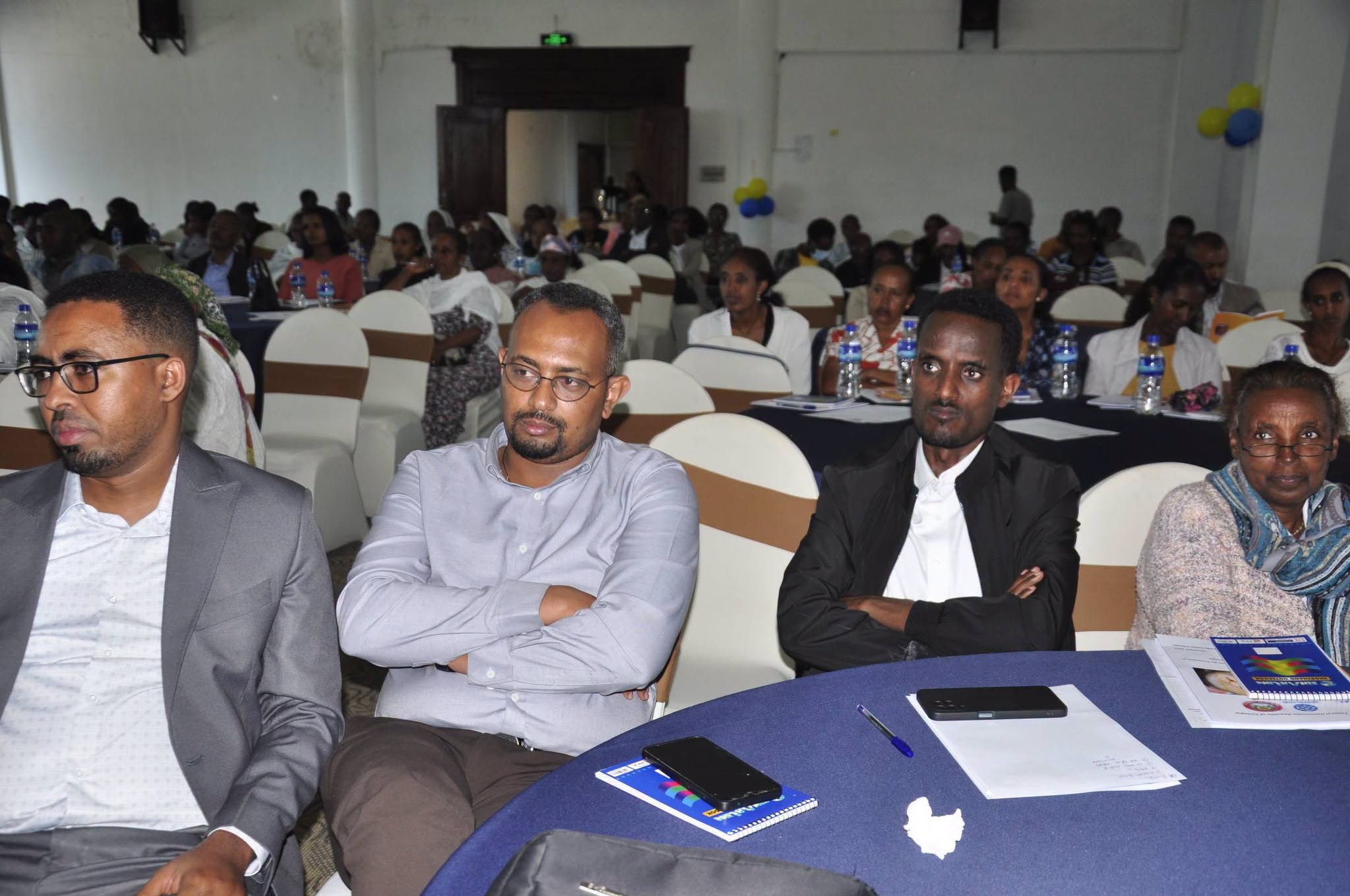
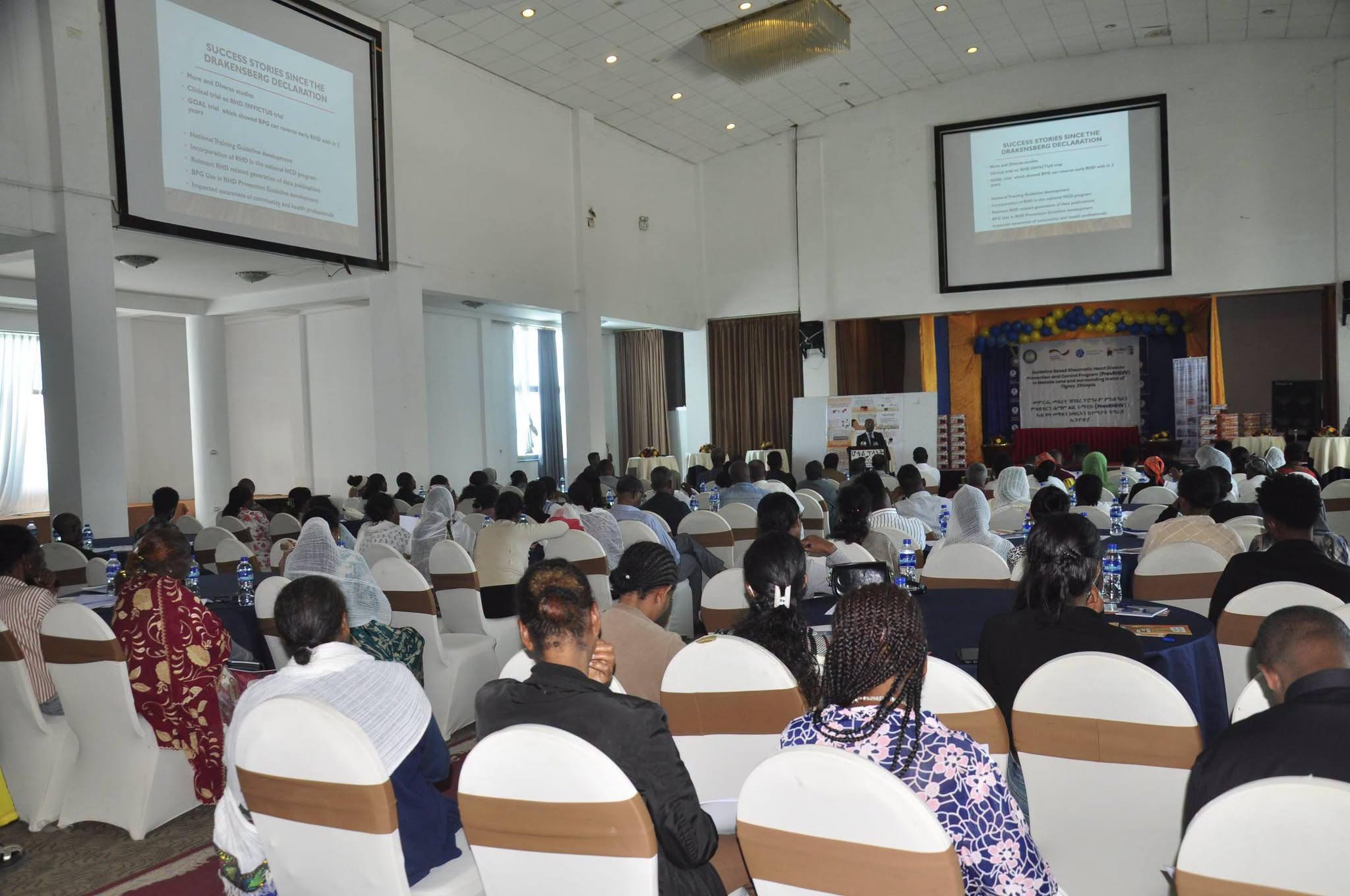
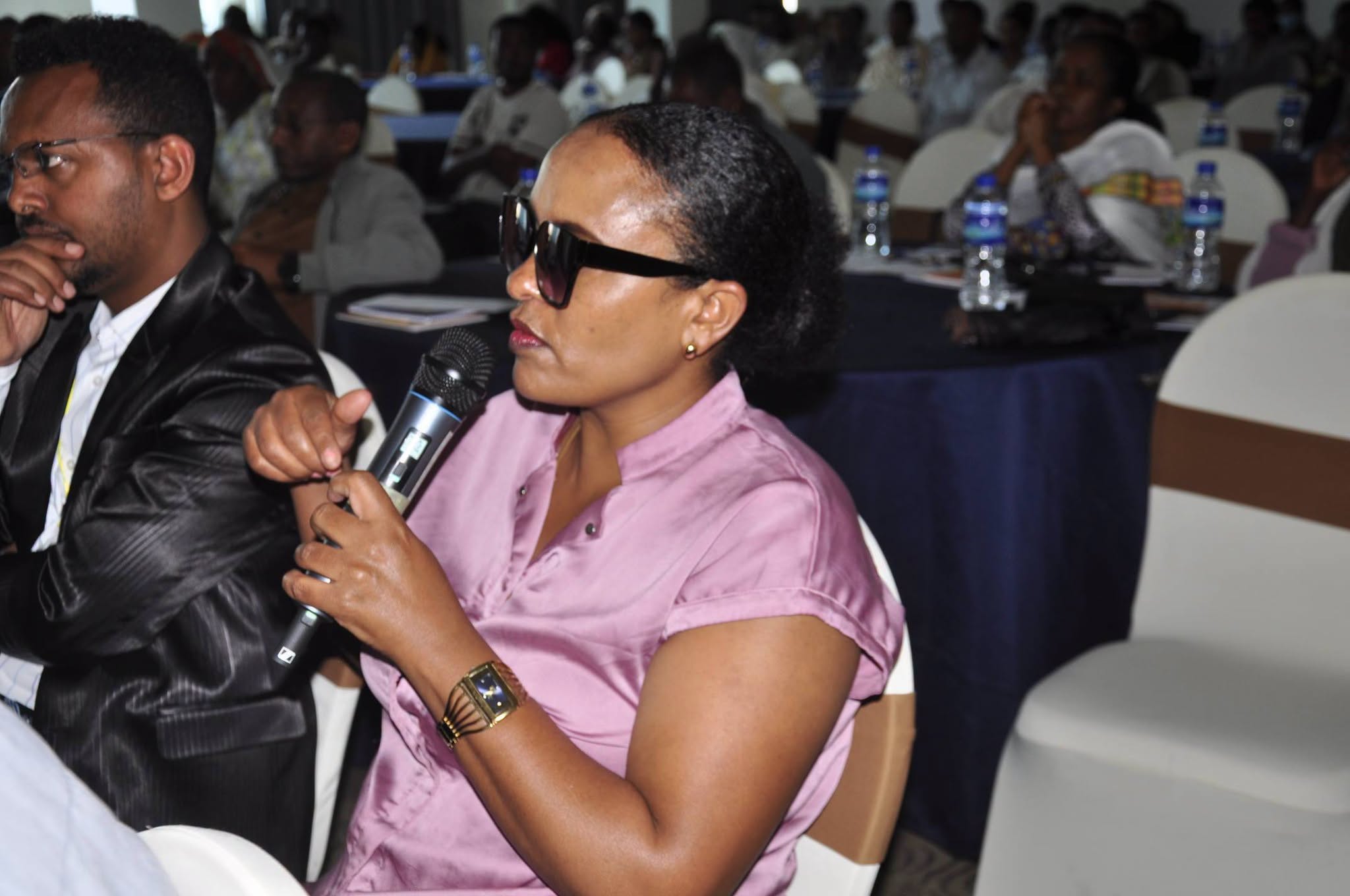
Mekelle, Tigray — A review meeting and training program on the guideline-based prevention and control of Rheumatic Heart Disease (RHD) was held in Mekelle, bringing together health professionals, government representatives, academic institutions, hospitals, and partner organizations working to strengthen RHD prevention and care across Tigray.
The program focused on reviewing the progress of the PrevRHD Program, strengthening RHD prevention and control, promoting secondary prevention, improving the safe administration of Benzathine Penicillin G (BPG), and sharing knowledge on the prevention and management of acute rheumatic fever and tonsillopharyngitis.
Bringing Key Health and Education Partners Together
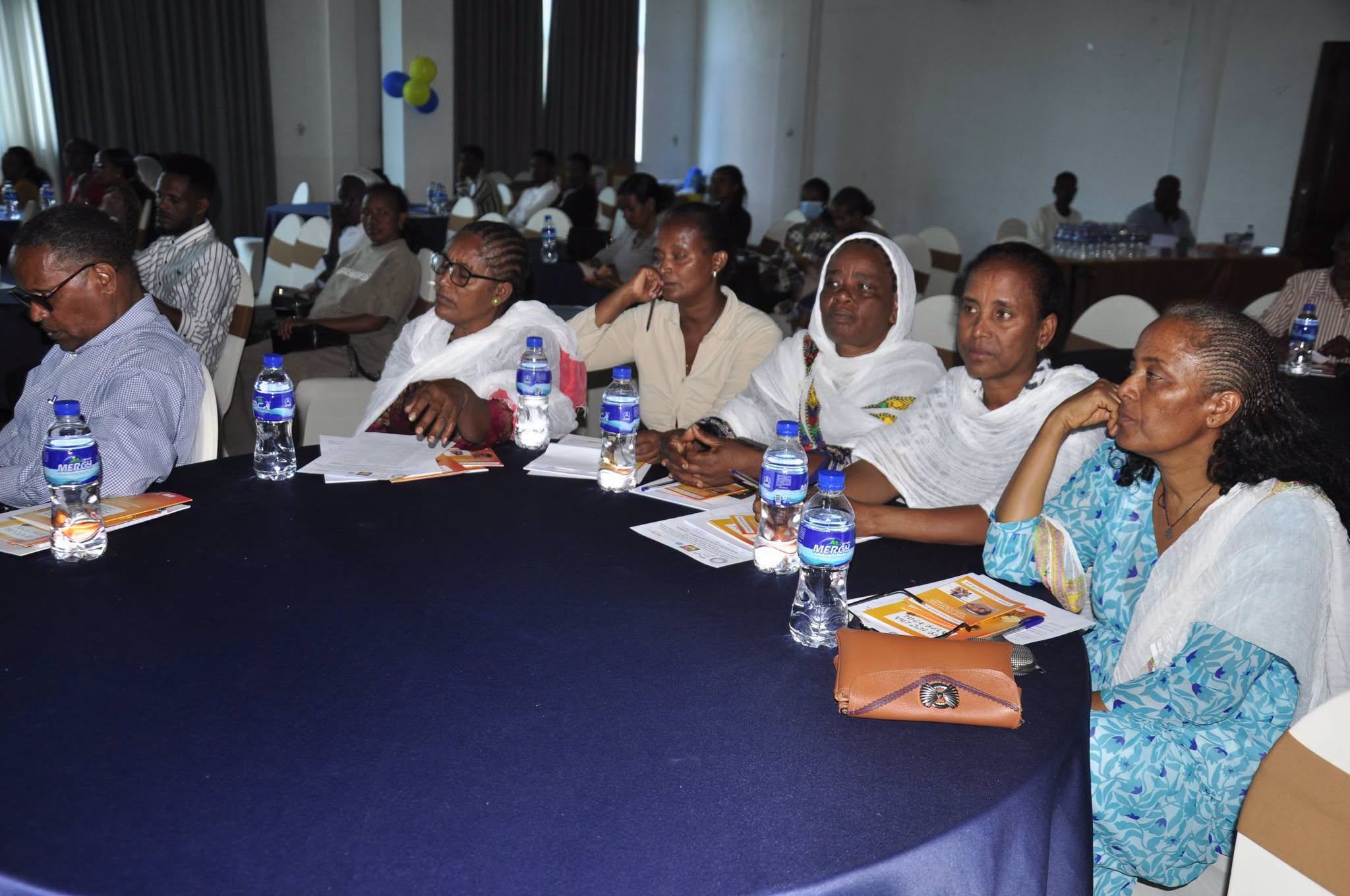
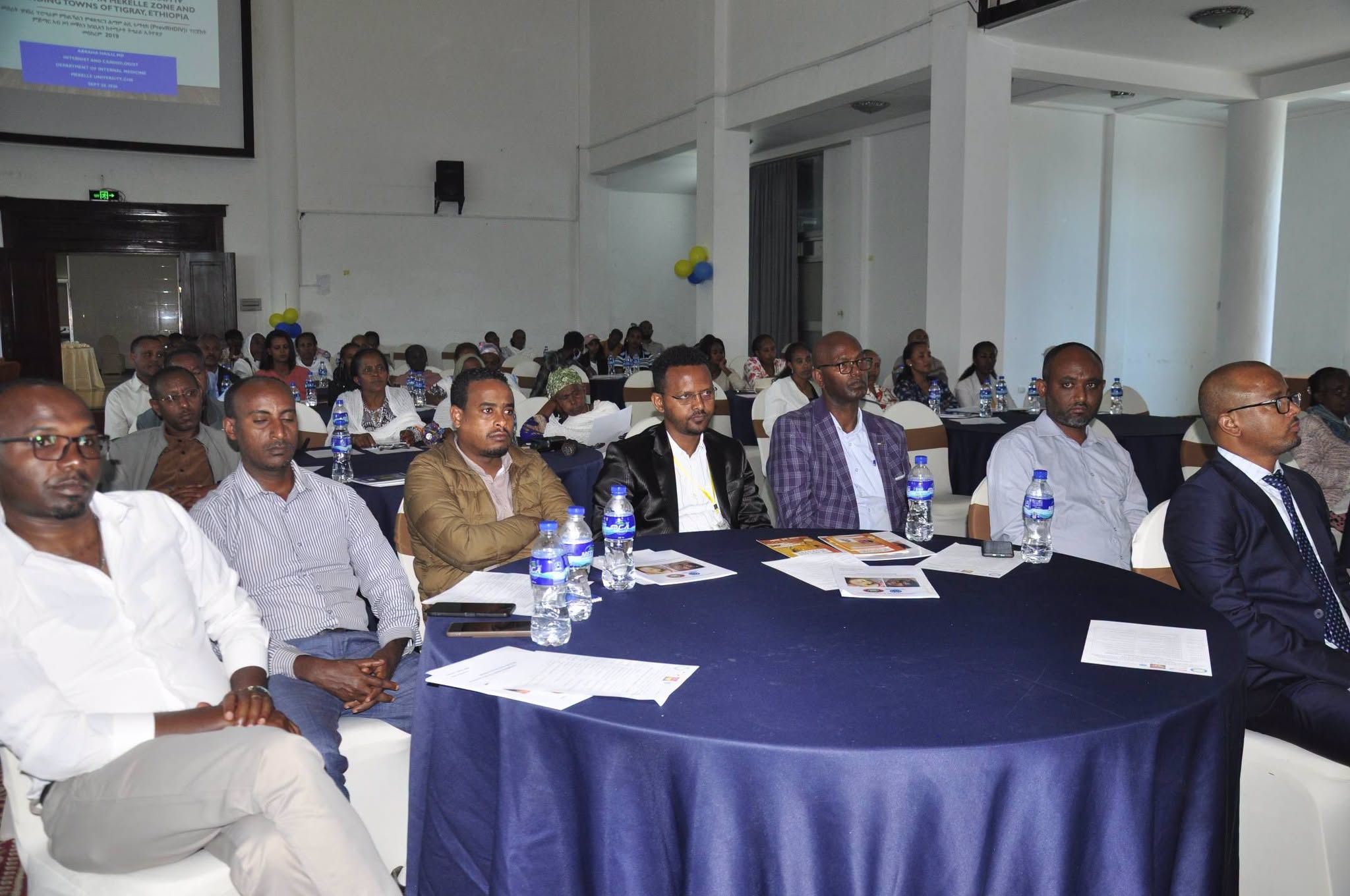
The program brought together representatives from the Tigray Regional Health Bureau (TRHB), Tigray Regional Education Bureau, Mekelle University College of Health Sciences (MU-CHS), Ayder Comprehensive Specialized Hospital, Tigray Heart Association, Ethiopian Pharmaceuticals Supply Service (EPSS), and hospitals and health institutions in Mekelle and surrounding areas.
Participants included:
- Dr. Simon Gebretsadik, Vice Head of the Tigray Regional Health Bureau
- Dr. Tedros Gobezay, Coordinator of Clinical Services, TRHB
- Dr. Abraha Gebreegziabher, Chief Clinical Director, Ayder Comprehensive Specialized Hospital
- Dr. Hailesilassie Berhe, Chief Administration and Development Director, Ayder Comprehensive Specialized Hospital and MU-CHS
- Professor Gebretsadik Berhe, Director of Community and Research, MU-CHS
- Dr. Tsehaye Asmelash, Representative of the Tigray Heart Association
- Dr. Hailemaeiam Gebrearegay, Head of the School of Medicine
- Dr. Abraha Weldemichael, Representative of the Faculty of Public Health
- Mr. Goytom Gebremeskel, Representative of the EPSS Mekelle Branch
Chief executive officers, directors, health professionals, and representatives of hospitals and health institutions also participated in the program.
Strengthening RHD Prevention Across Tigray
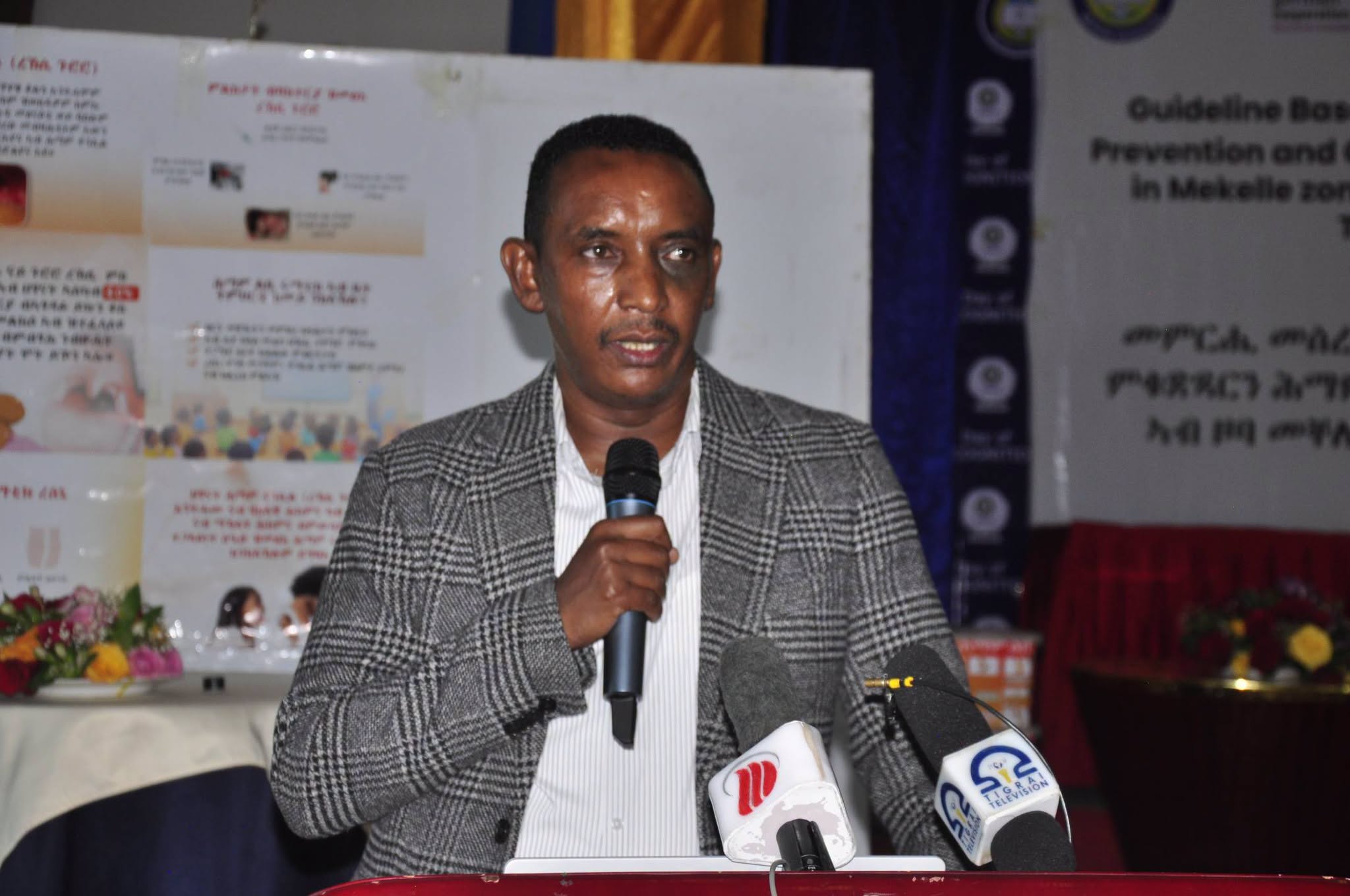
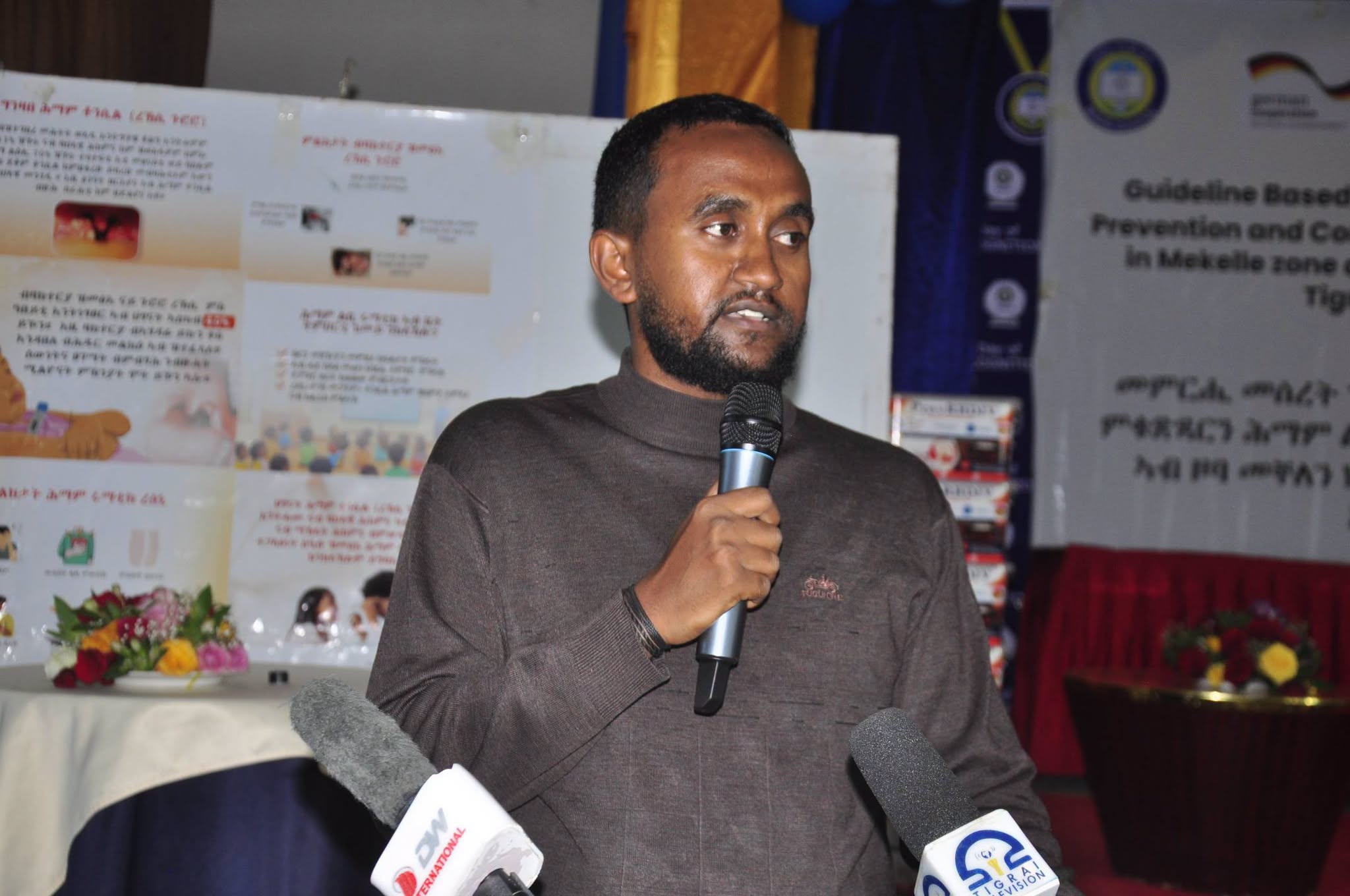
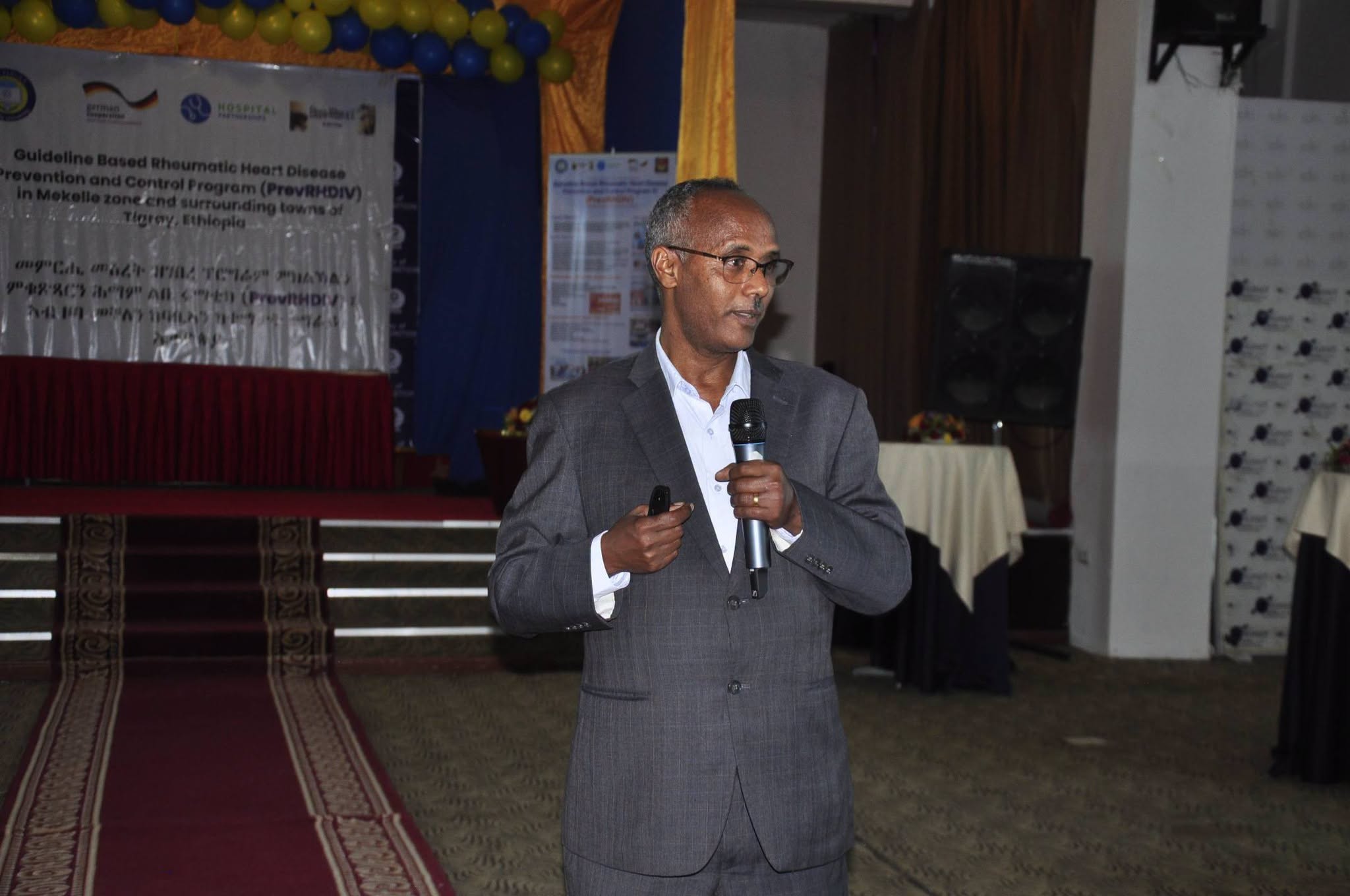
In his message to participants, Dr. Simon Gebretsadik emphasized that rheumatic heart disease is a preventable condition and reaffirmed the commitment of the Tigray Regional Health Bureau to strengthening and scaling up RHD prevention and control activities across the region.
He also expressed his appreciation to Mekelle University and all stakeholders involved in implementing the PrevRHD Program, recognizing their continued efforts to strengthen RHD prevention and improve patient care.
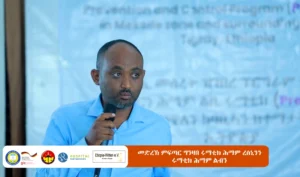
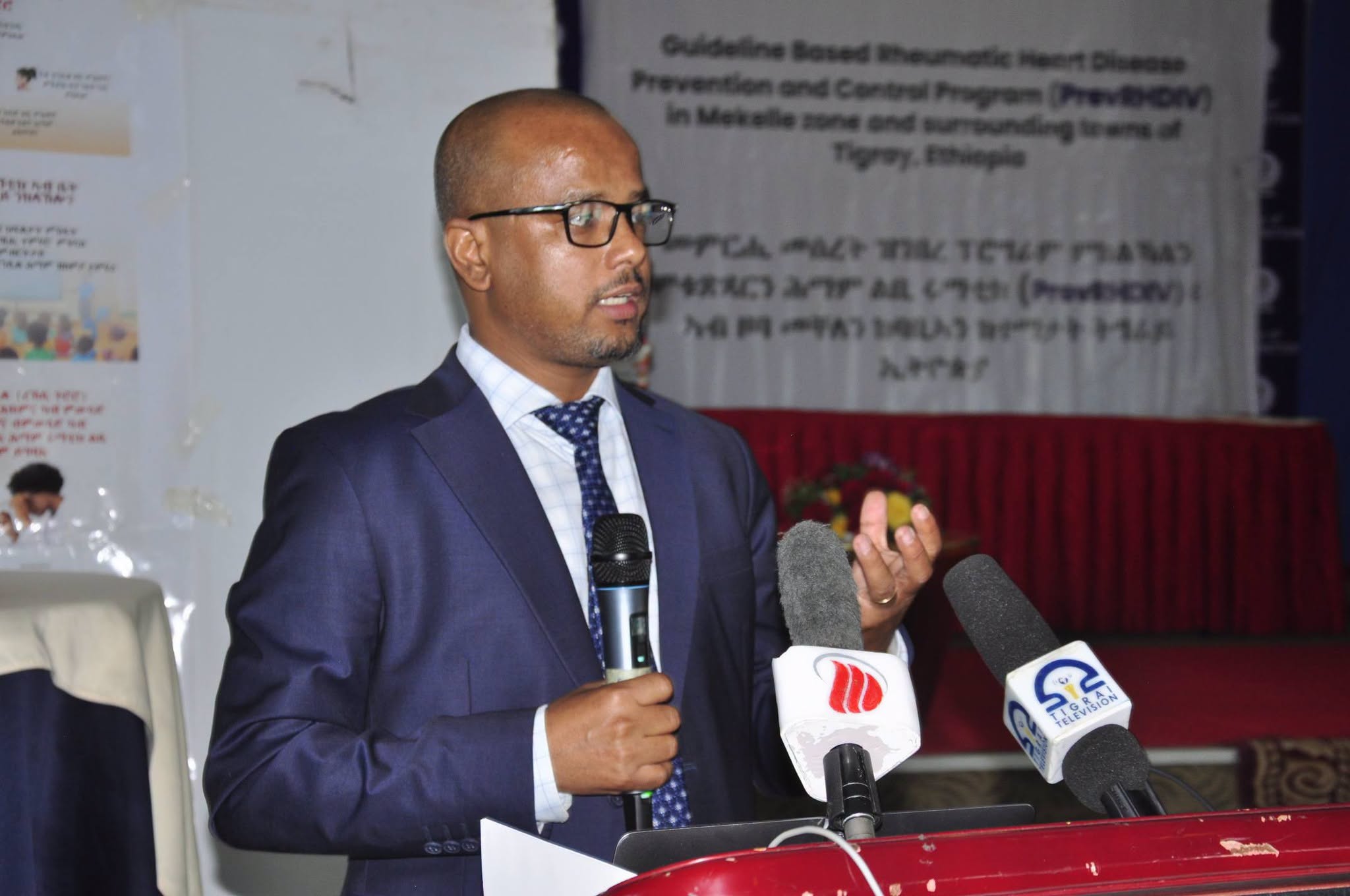
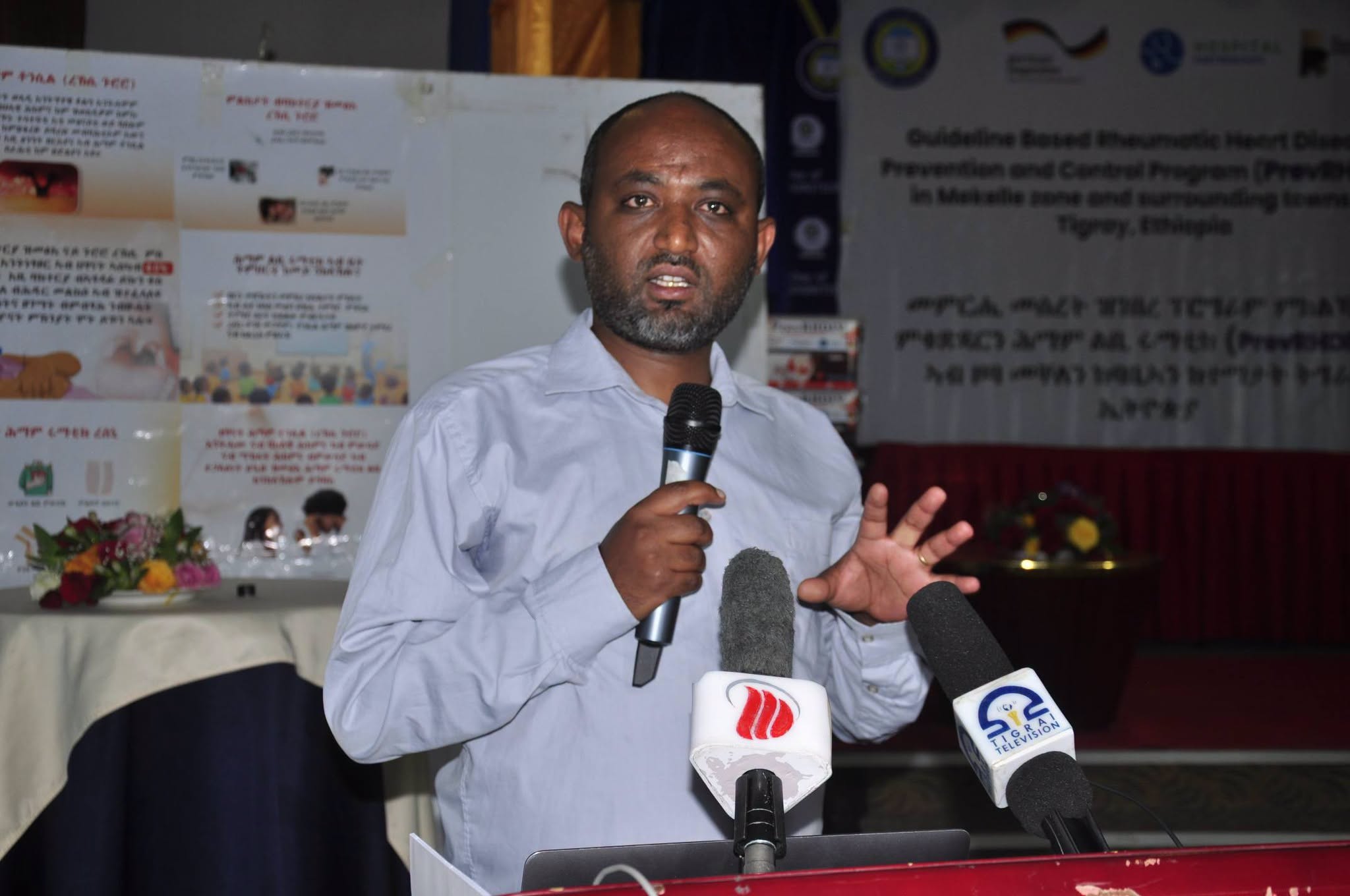
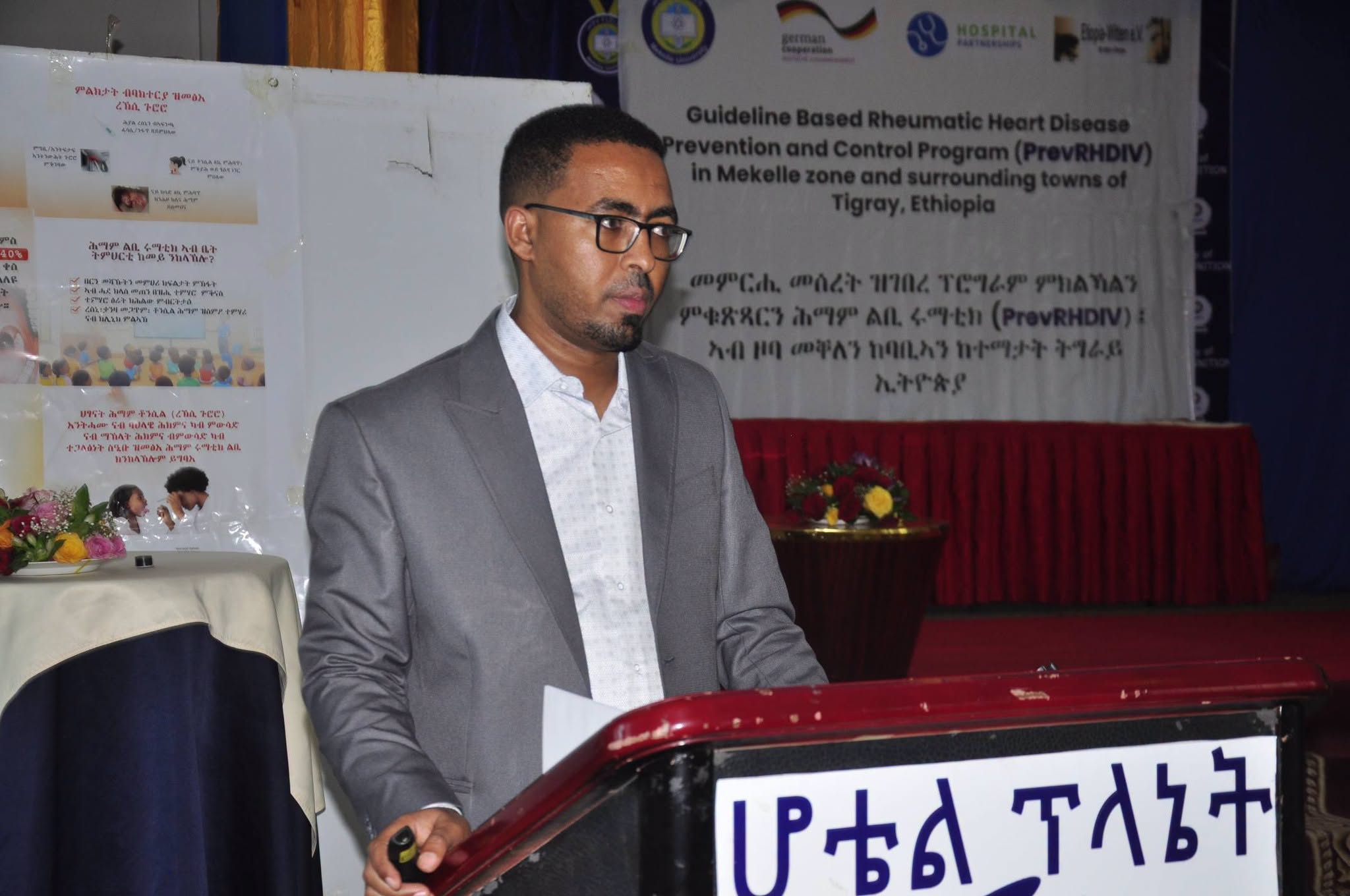
Dr. Abraha Hailu, Coordinator of the PrevRHD Program, delivered the welcome remarks and presented an overview of the program. His presentation highlighted the program's objectives, major activities, achievements, challenges, lessons learned, and ongoing efforts to prevent rheumatic heart disease.
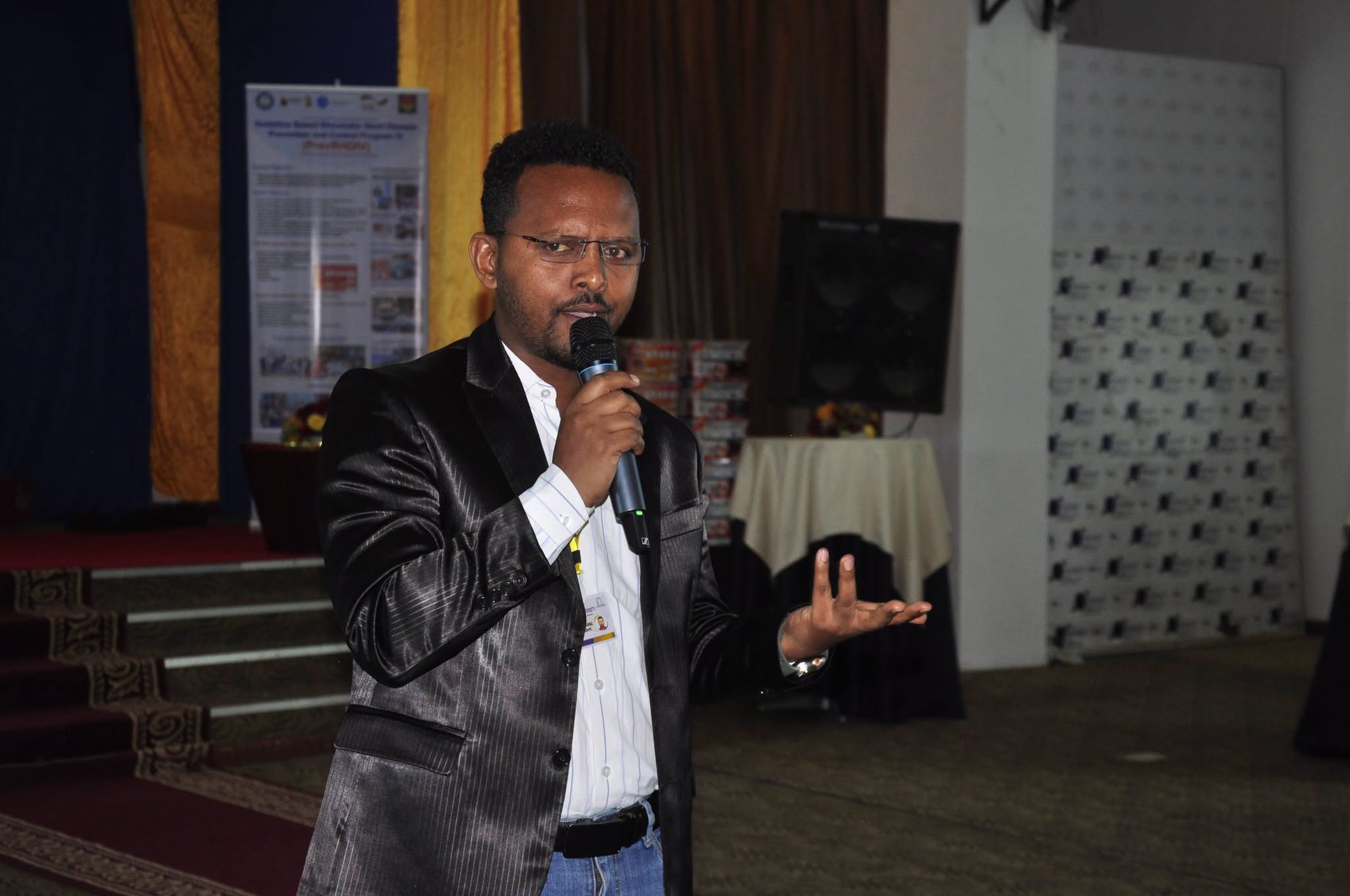
Dr. Tedros Gobezay further emphasized the importance of early recognition and appropriate management of conditions such as tonsillopharyngitis and streptococcal throat infections, which can lead to acute rheumatic fever and subsequently rheumatic heart disease if left untreated.
Reviewing Progress, Achievements, and Future Directions
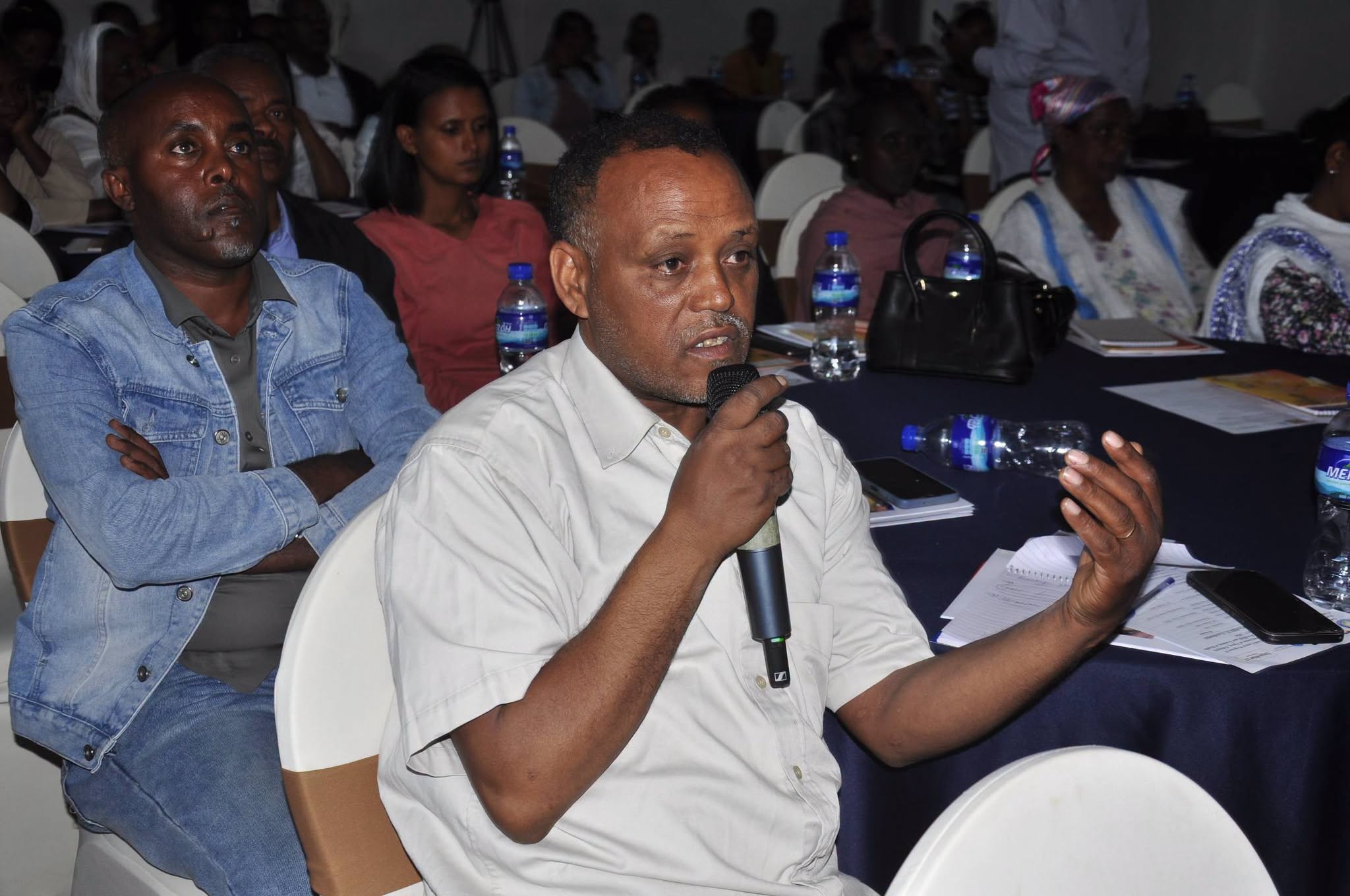
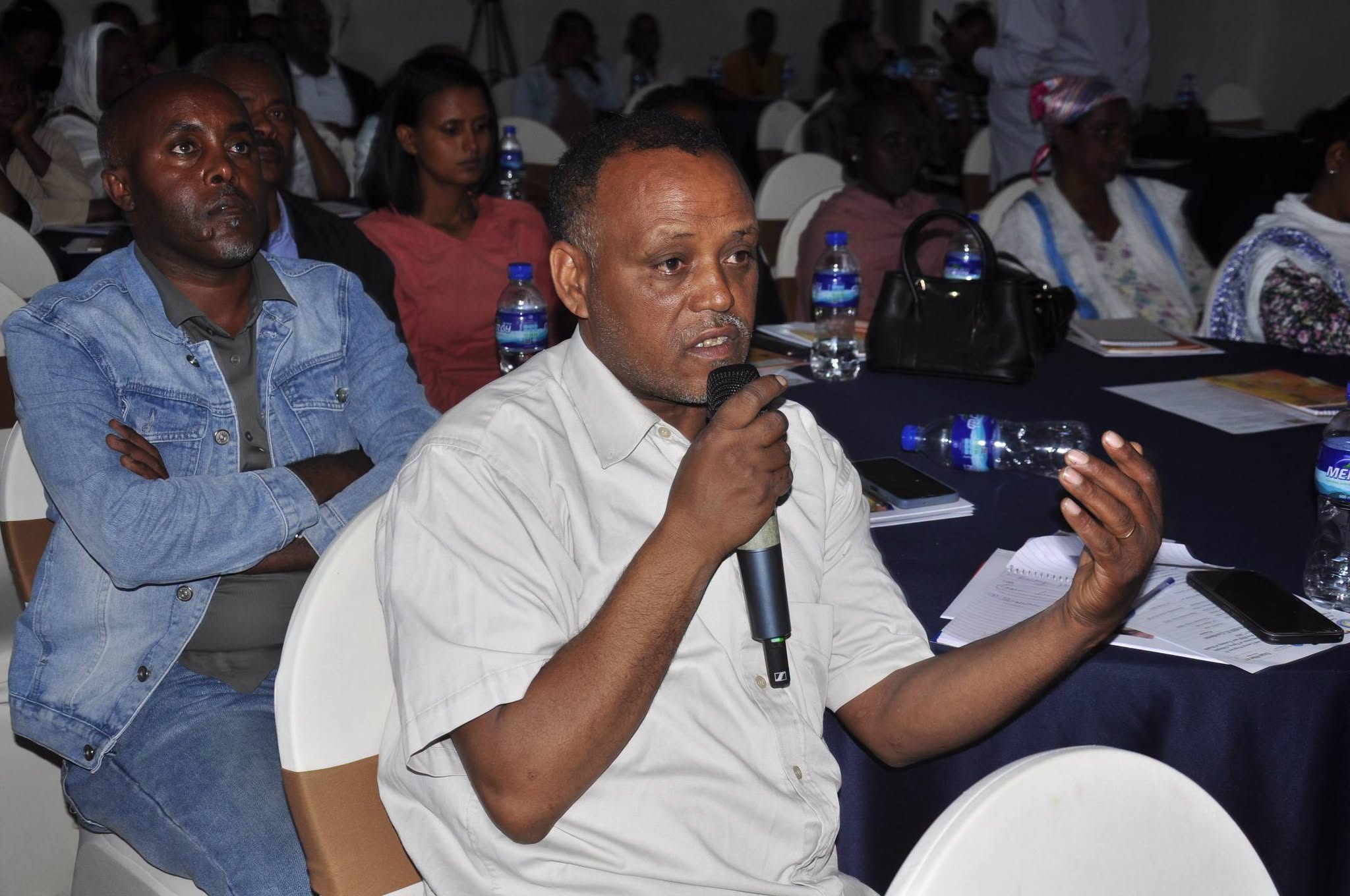
The annual review provided an opportunity to assess the progress and achievements of the PrevRHD Program, discuss challenges and lessons learned, and identify future priorities for strengthening RHD prevention and control.
The PrevRHD Program is being implemented through collaboration among Ethiopia-Witten in Germany, Mekelle University College of Health Sciences, and the Tigray Regional Health Bureau, with the involvement of additional health institutions and partners.
Training on Tonsillopharyngitis and Acute Rheumatic Fever
As part of the training program, Dr. Alemseged Berhane delivered a session on tonsillopharyngitis and acute rheumatic fever.
The training focused on the recognition, prevention, and appropriate management of these conditions, while highlighting their relationship to the development of rheumatic heart disease. Participants were equipped with practical knowledge to support early identification and appropriate management of patients at risk.
Training on Safe Benzathine Penicillin G Administration
Dr. Abadi Lieu provided training on rheumatic heart disease prevention and the safe use and administration of Benzathine Penicillin G (BPG).
The session emphasized safe injection practices and the appropriate use of BPG for secondary prevention among patients with rheumatic heart disease. The training also highlighted the importance of maintaining patient safety and preparedness when administering BPG.
Handover of BPG and Emergency Medicine Supplies
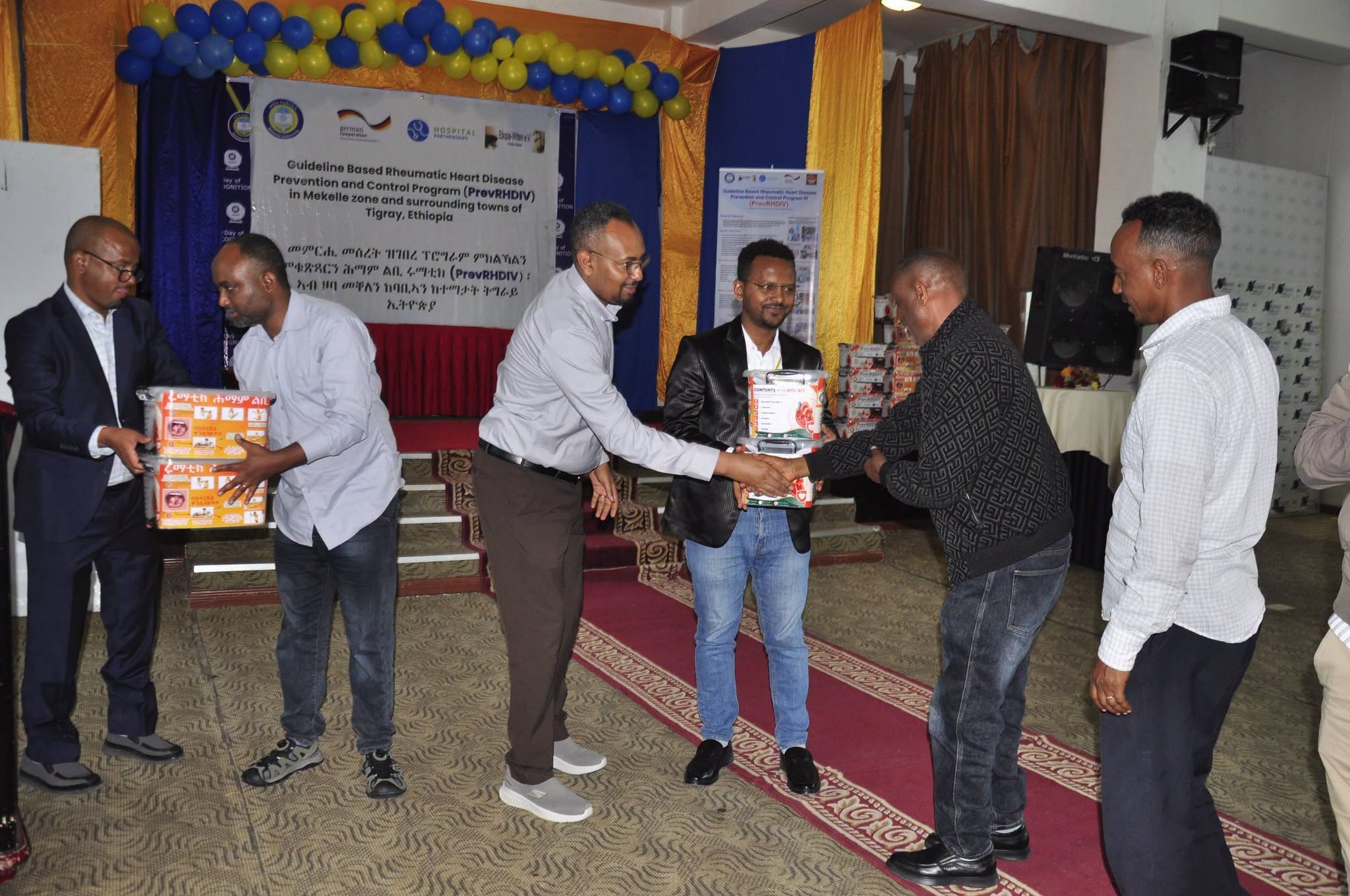
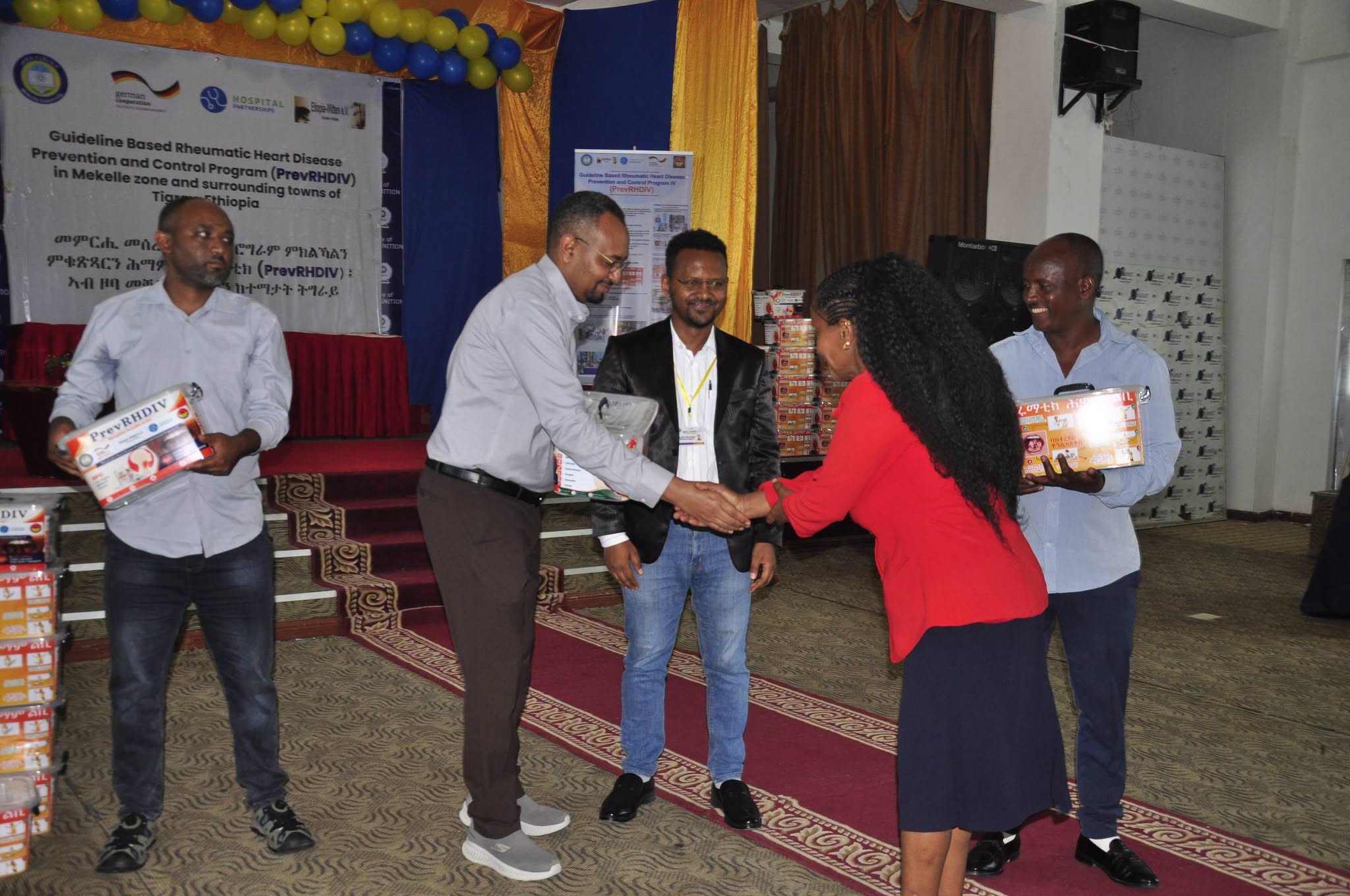
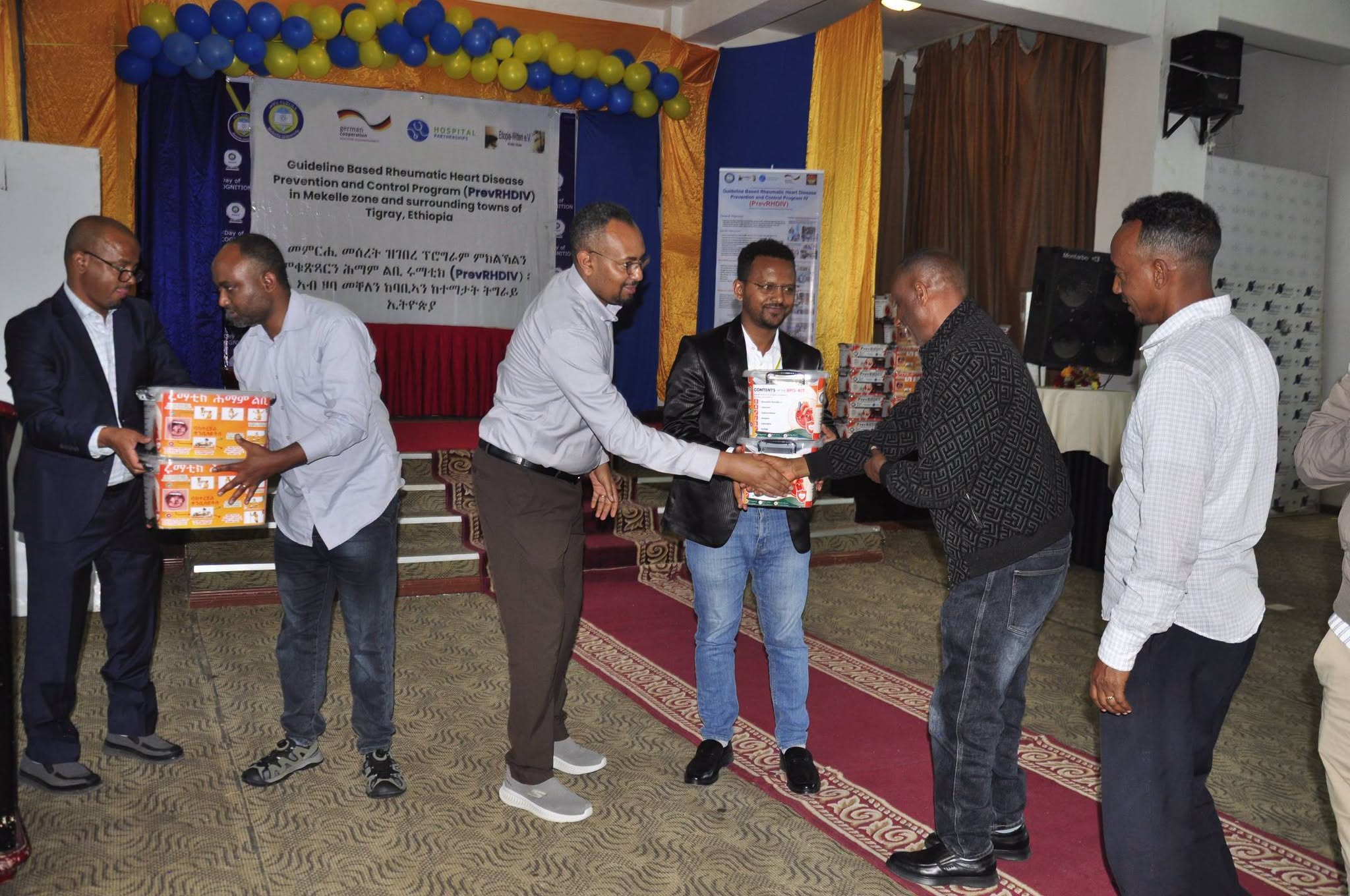
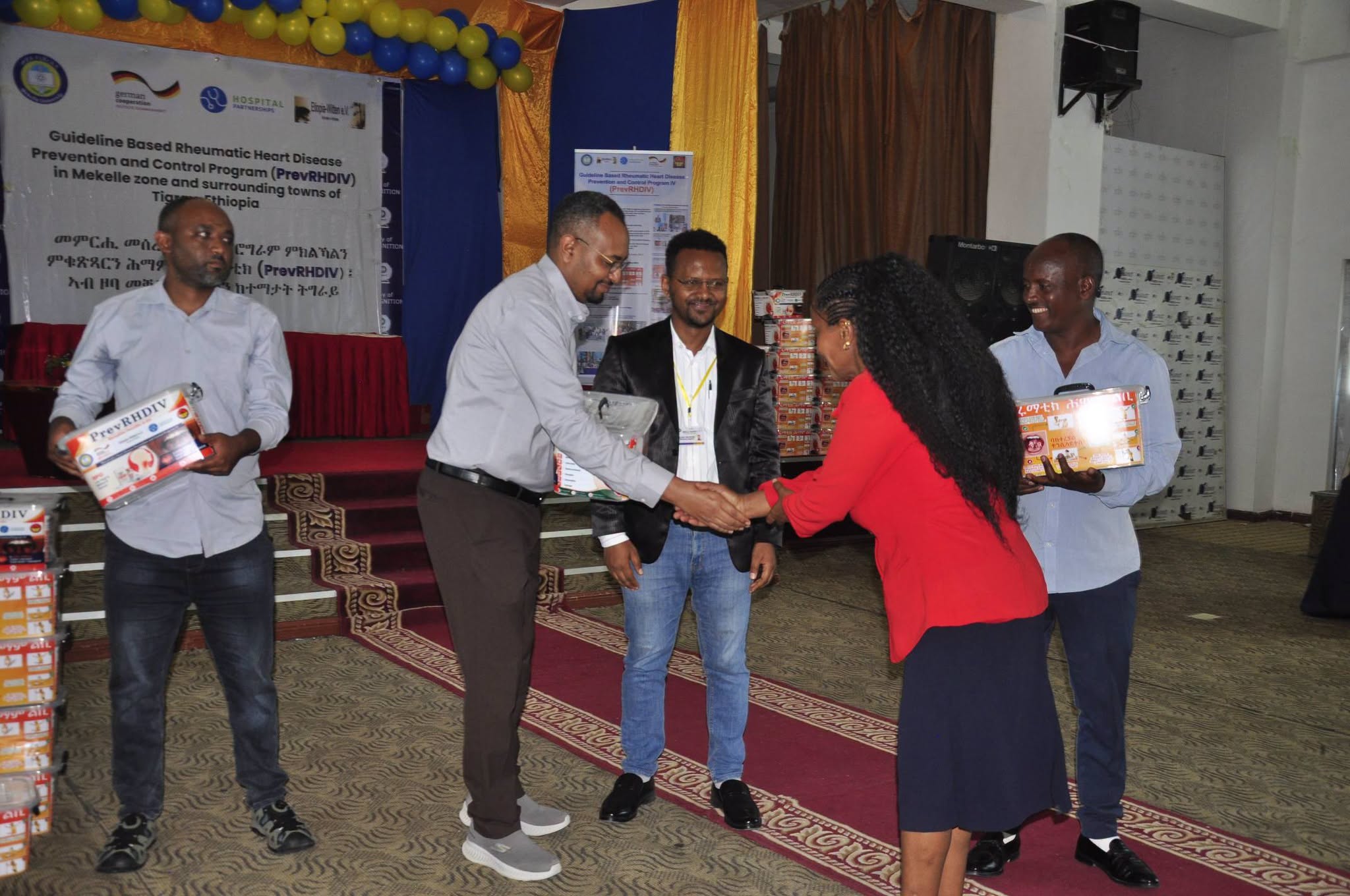
An important component of the program was the handover of 45 BPG kits containing more than 1,000 units of Penicillin G.
The supplies also included emergency medicines such as:
- Adrenaline
- Atropine
- Hydrocortisone
The supplies are intended to support healthcare professionals in providing safe BPG injections, strengthening secondary prevention, and improving the quality and safety of care for patients with or at risk of rheumatic heart disease.
Practical Demonstration on Safe BPG Administration
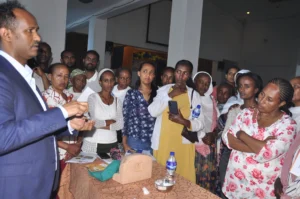
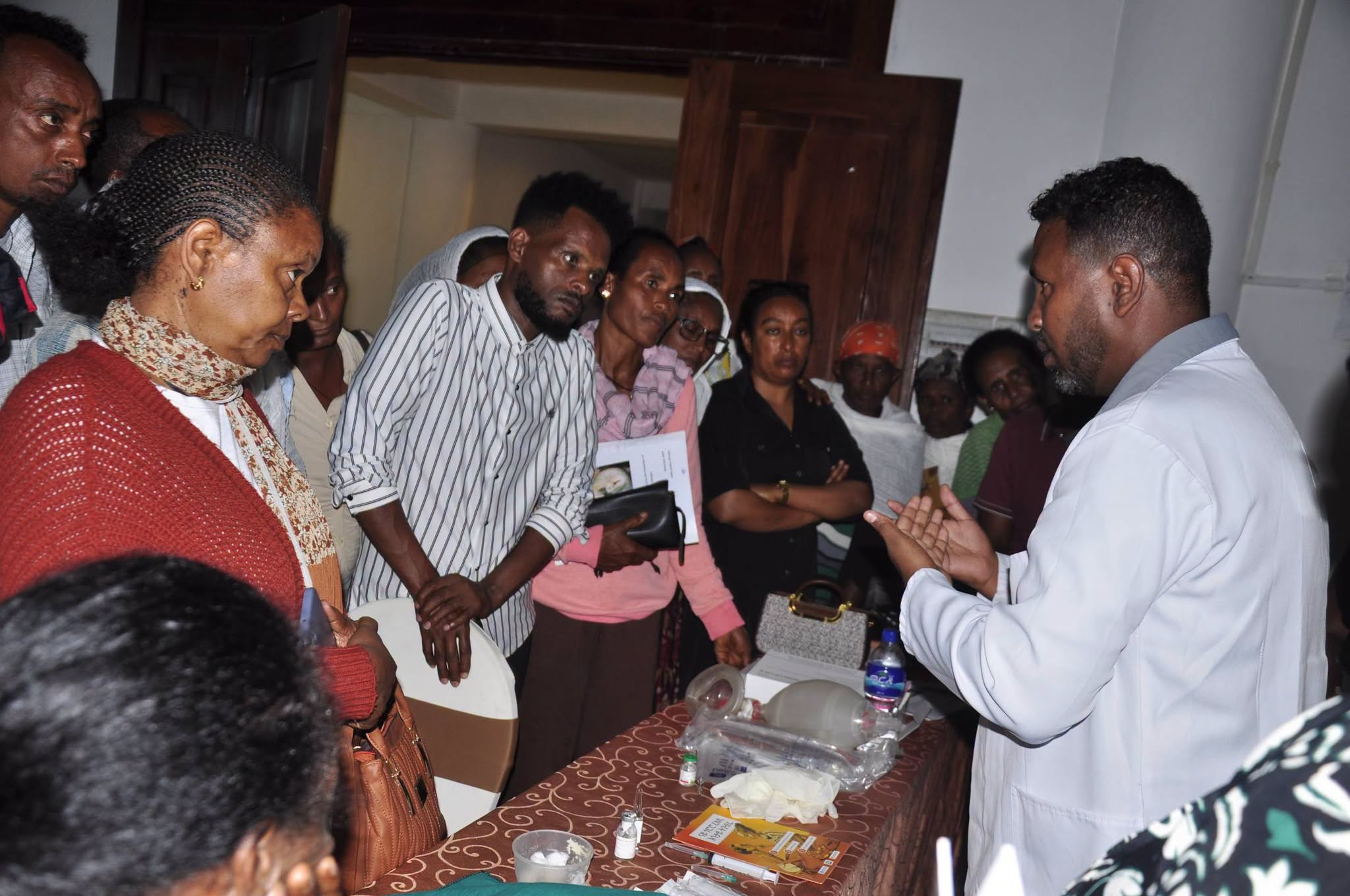
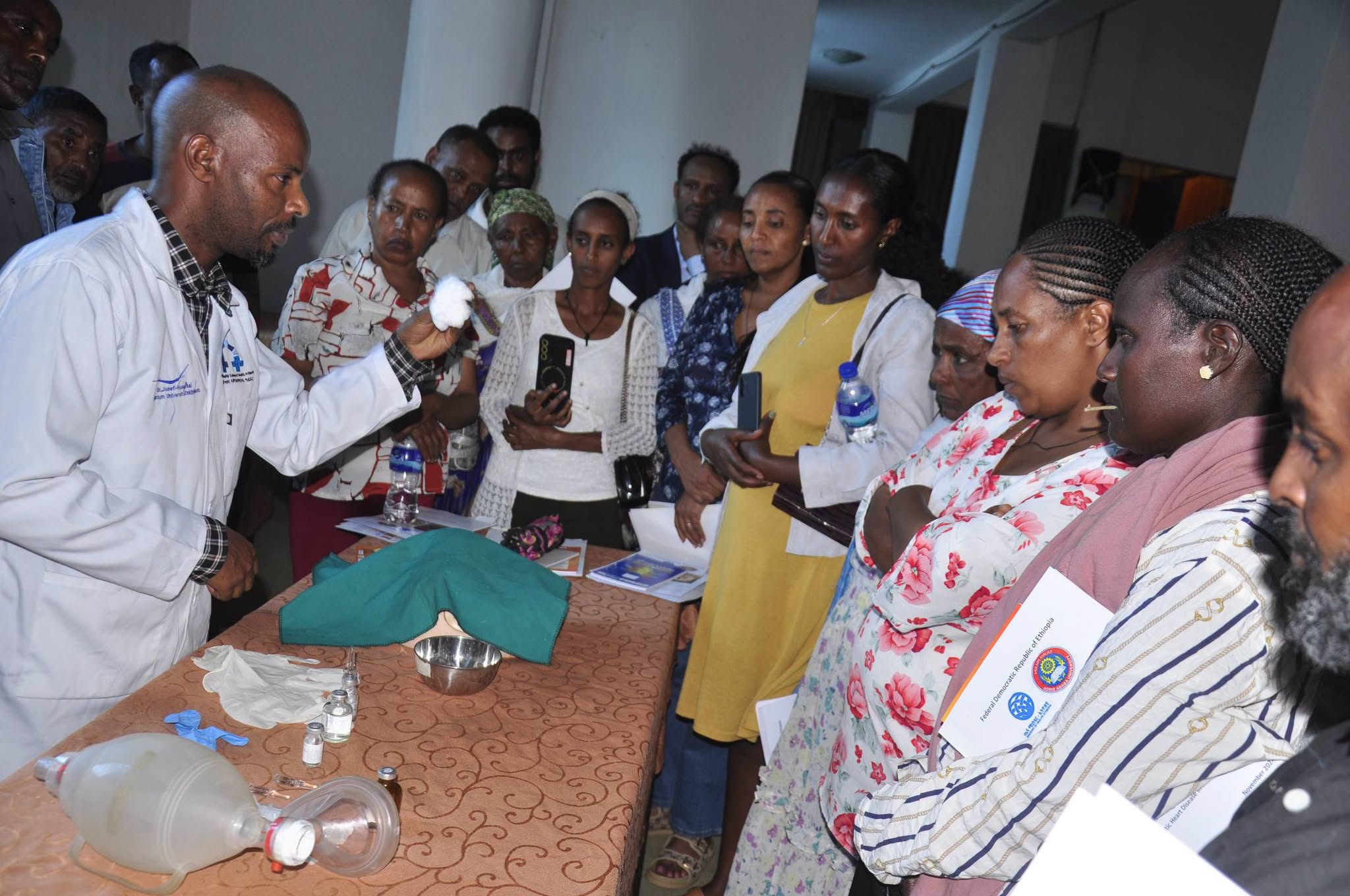
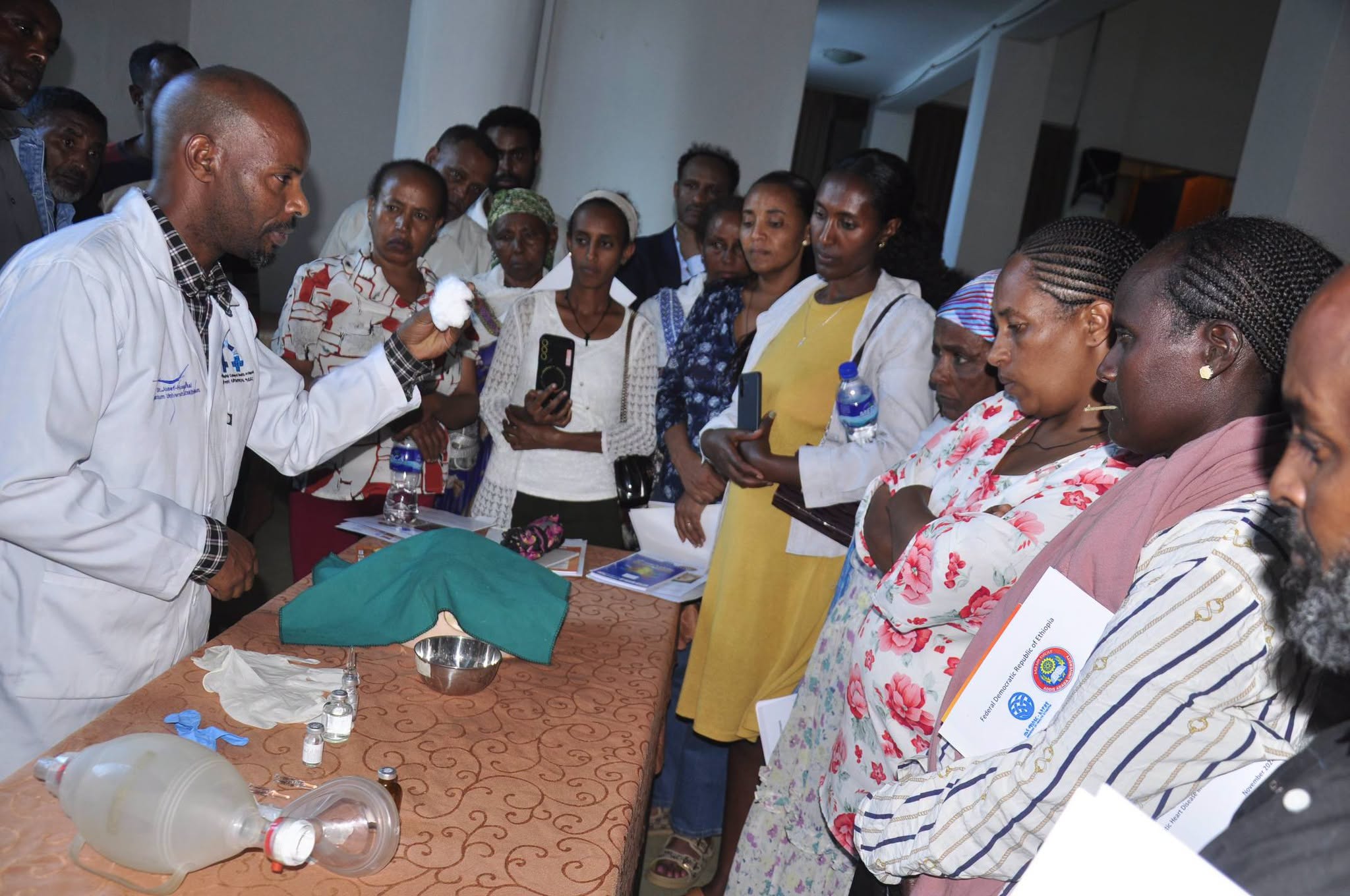
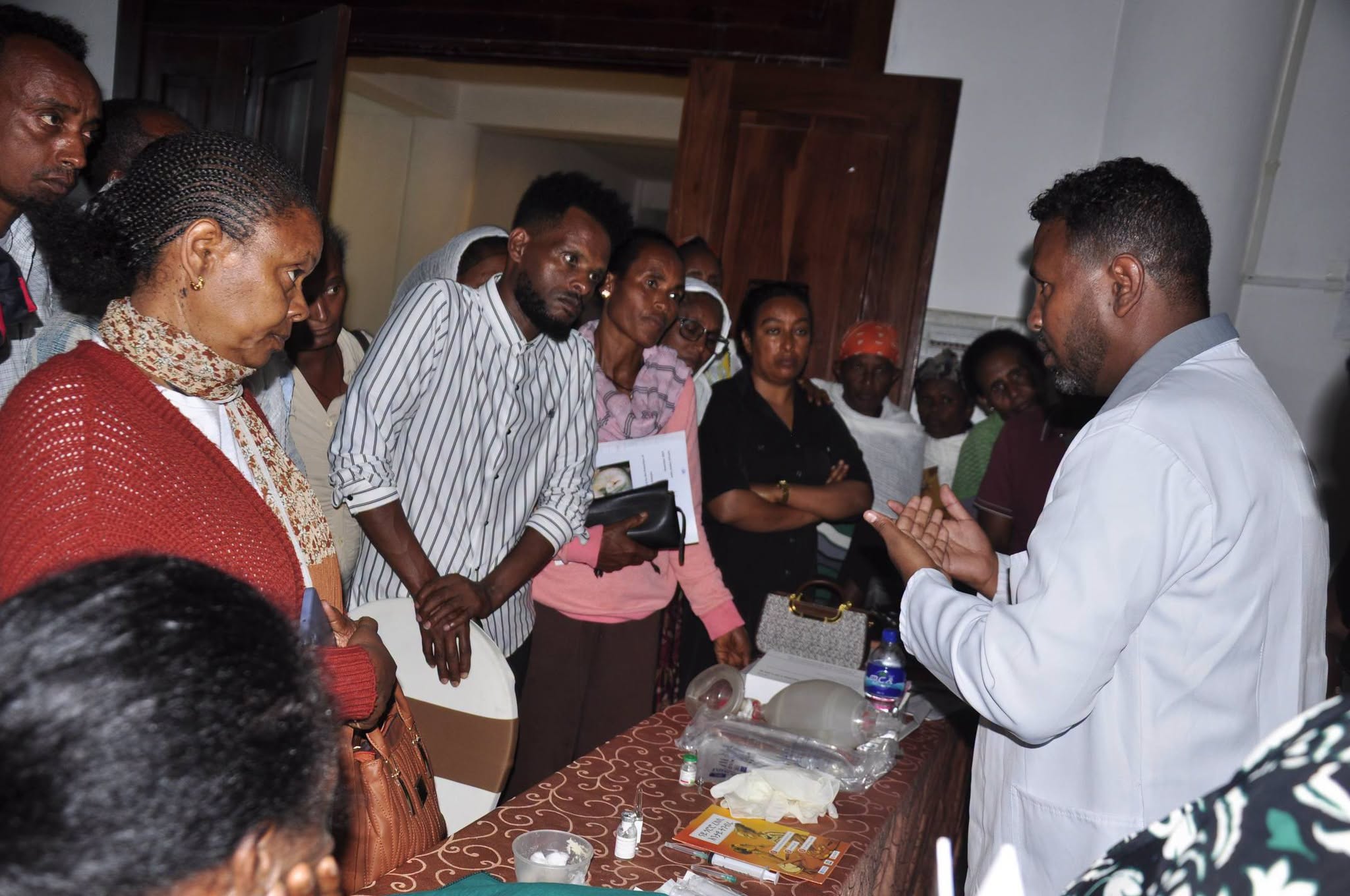
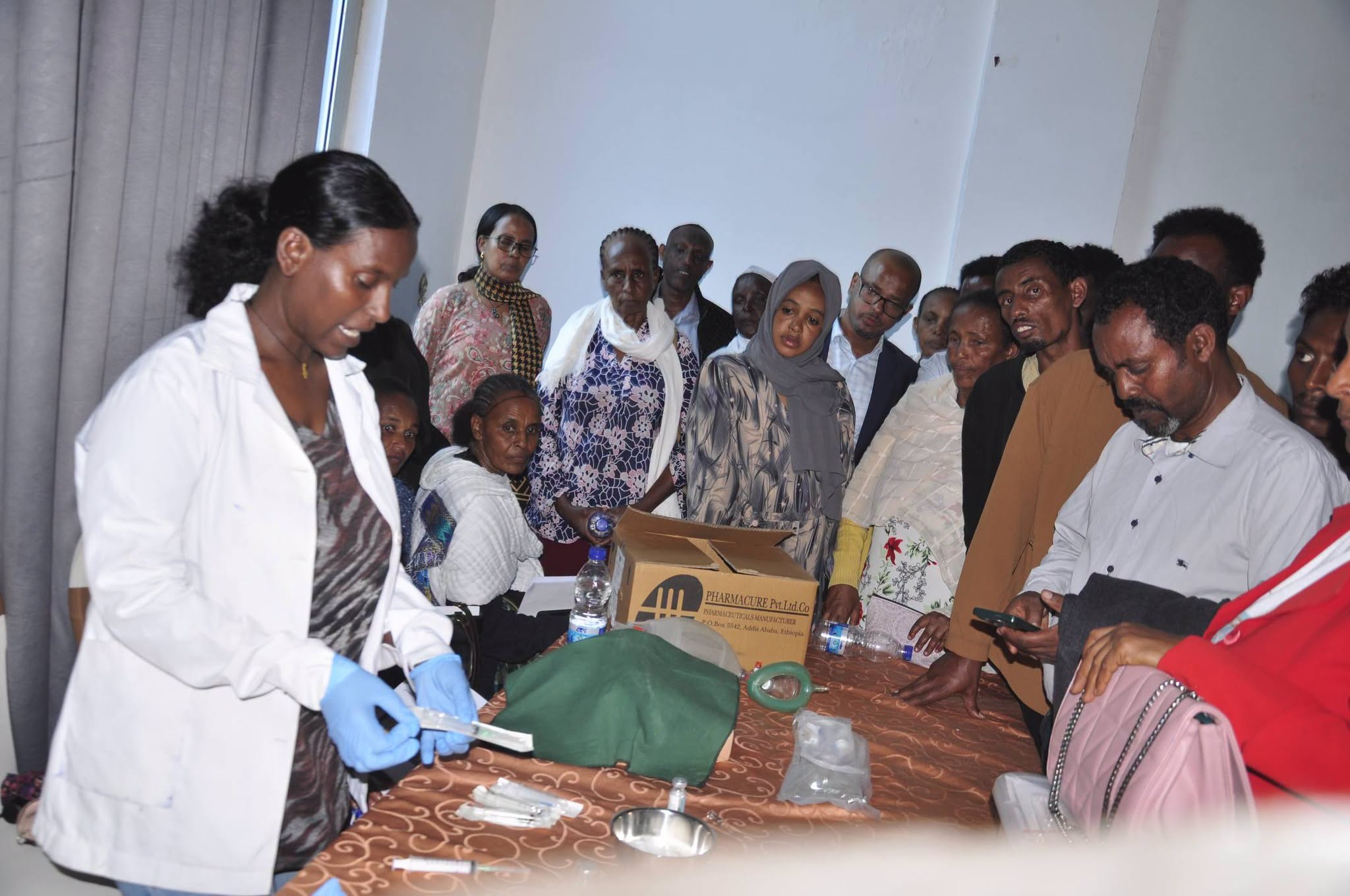
Following the theoretical training sessions, participants took part in a practical demonstration on safe BPG administration and related procedures.
The practical session was organized into three groups, allowing participants to gain hands-on experience under the guidance of the trainers. The demonstration provided an opportunity for healthcare professionals to apply the knowledge gained during the training and reinforce safe BPG administration practices and emergency preparedness.
Renewed Commitment to RHD Prevention
The program concluded with the completion of the practical training sessions and a renewed commitment from participating institutions to strengthen rheumatic heart disease prevention, early detection, secondary prevention, and quality patient care across Tigray.
Through continued collaboration among health institutions, universities, government bodies, healthcare professionals, and development partners, the PrevRHD Program aims to contribute to reducing the burden of rheumatic heart disease and improving health outcomes for communities across the region.
Report this post
Select a reason. You may optionally add more details.